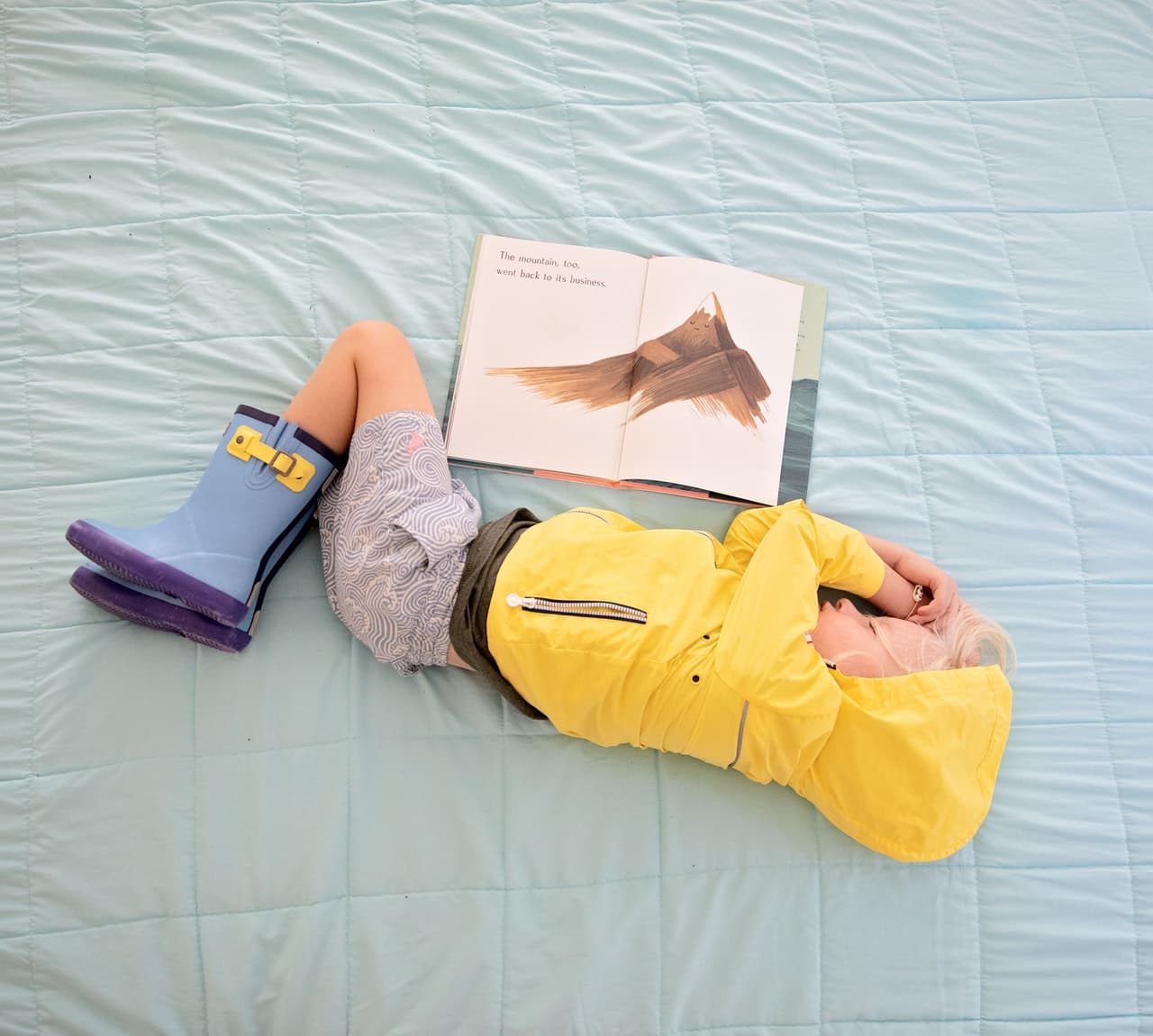
Kids can be very particular about what they like and dislike -- and that’s putting it lightly. You can probably think back and recall the countless t-shirts or shoes you’ve purchased for your son or daughter who ended up hating the clothes you picked out. Mattresses, however, certainly aren’t as cheap and disposable as clothes. Accordingly, if you’re looking to buy a bed for your child, it’s crucial to take budget, your child’s sleeper type, their body type, and your kid’s specific sleep preferences into consideration. This ensures your little guy or gal finds his or her new mattress nice and cozy, but more importantly, gets a full night’s sleep on it.
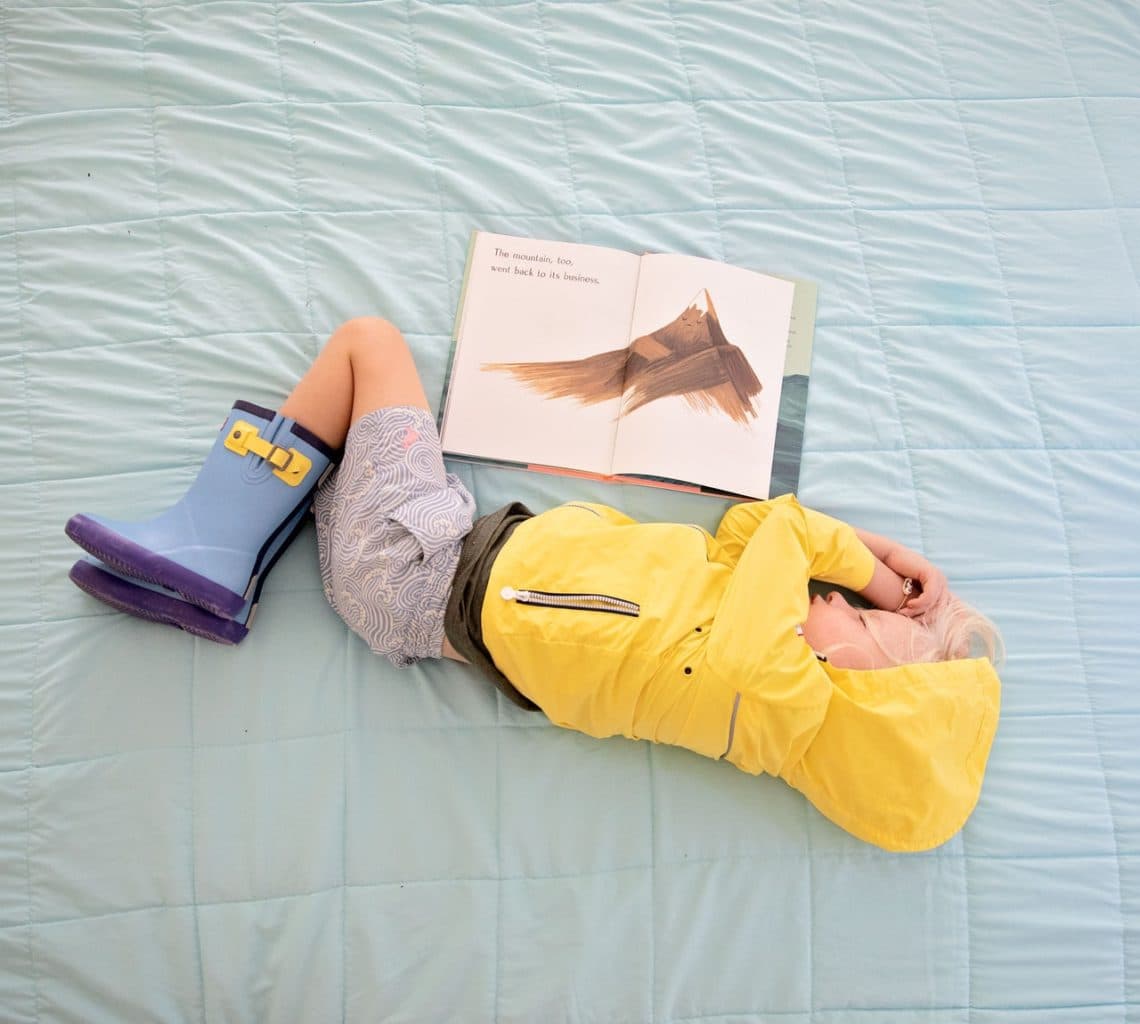
According to the National Sleep Foundation, sleep is essential to a child’s physical and emotional development. Not only does it stop them from being cranky, but a crucial growth hormone responsible for tissue development is released during sleep, reparation of their muscles occurs, and their ability to learn and retain information is improved. Professionals have designated certain sleep-time requirements for different age ranges:
- Toddlers 1-2 years old: 11 to 14 hours - Children 3-5 years old: 10-13 hours- Children 6-13 years old: nine to 11 hours - Teenagers: 8-10 hours
As you can probably imagine, a cozy bed is a key contributor to making sure your kid sleeps soundly throughout the night. Whether you’re looking for a new bed because your young child just outgrew their crib, or if you're in the market for a long-lasting mattress that’ll become your new guest bed after your teen leaves the nest, here are a few tips to help you choose the best mattress for your child.
Find Out Your Child’s Sleeper Type
If your child hasn’t yet reached 100 lbs, the process to find them a suitable mattress is a little easier. They don’t weigh very much, and probably flop all over the place when they’re sleeping anyway, rather than stick to a dominant sleeping position. For those of you with younger children, go with a mattress on the softer side of the spectrum. Anything firmer than “medium” will probably feel more like a floorboard than a mattress to them.
If you’re looking to buy your older child, tween, or teen a mattress -- what kind of sleeper are they? If your child prefers to sleep on their side, they’ll want a softer mattress to cradle their pressure points and contour to the curves of their body. Back and stomach sleepers, on the other hand, benefit more from a firmer mattress that’ll keep their spines from sagging into the mattress. If your kid switches positions while they’re asleep, a medium firmness mattress is a good sweet spot between supportive, and pressure relieving.
The Choice Between Hybrid & All-Foam Mattresses
Your child’s weight and how they intend to use the bed are other important factors to take into consideration. Of course they’ll be using the bed to sleep on, but for how long? If you’re on the hunt for a new bed for your 5-year-old who seems to outgrow their clothes every few months, you’d likely be fine with a standard all-foam mattress. There’s not much use in spending the extra money on a new bed when they’ll probably need another new one by the time they’re teenagers.
If you have a heavier child, or intend on turning your teen’s bed into a guest room bed once they’re out of the house, hybrid mattresses that contain coils are typically the more ideal option for durability purposes. Hybrid beds are constructed with both foam and coils to provide more support for heavier individuals and endure the test of time much better than all-foam mattresses.
What Type Of Material Would They Benefit From?
Generally speaking, there are three different types of foam a mattress can be made out of memory foam, latex foam, and polyurethane foam. A majority of people are most familiar with memory foam, and it’s a great material for those looking for a soft, conforming feel. If your child is a hot sleeper, however, it might not be the best option for them.
To be honest, I have tried to ensure that we have plenty of daycare cots over the house. Sometimes, kids do not want to lay down in their own beds, especially during the daytime. If you want them to relax comfortably in the living room, get them some comfortable daycare cots.
Poly foam beds sleeps more temperature neutral than memory foam beds, and they’re generally accommodating to a lot of people. So if your kid is particularly picky, you can pretty much always rely on a poly foam bed as a safe choice.
Latex foam can either be synthetic, or sourced from nature. Natural latex foam is beneficial for kids, especially kids with allergies because it’s hypoallergenic, non-toxic, and antimicrobial. That means it’s resistant to household allergens like dust mites, mold, mildew, and other nasty things you want to keep away from your child’s mattress. On the flip side, latex foam can be expensive, so it’s not ideal if you don’t plan on keeping it long-term.
Think About Your Budget
There are mattresses out there that run for as low as $250, and they can go all the way up to $4,000 or more. So what’s a sensible amount of money you should be spending on your child’s new bed? There is none, it’s really what you’re comfortable spending. With that being said, most kids won’t be able to tell the difference between a standard, comfortable bed and a luxury mattress. Just be on the lookout for a good value. Something that has everything you’re looking for, but won’t break the bank. Trust me, those beds do exist and they’re usually around the $800 range.
Decide On Mattress Size
You’ve probably been wondering what the correct mattress size is for your kid. If you’re shopping for a child around 11 or under, they usually won’t need anything bigger than a twin or twin XL unless they’re sharing with a sibling. In that case, a bunk bed, trundle bed, or full bed are good options. Once your child starts to reach their pre-teen years, they’ll probably want a little more space. Depending on the size of his or her room, a full size or queen size bed should be perfectly accommodating for them.
Consider Something Machine Washable
Accidents happen -- especially when you have a young child or messy kid on your hand (and let’s face it, what kid isn’t messy). A child’s mattress can end up splattered with anything from juice cup spills to grape soda to urine, and a mattress with a machine washable cover makes cleaning up those messes quick and easy. At the very least, you should look into getting a mattress protector to dodge the dozens of inevitable stains and spills that are highly, I repeat, highly likely to come.
McKenzie Dillon is a blogger and sleep enthusiast for The Slumber Yard, a review site that focuses on bedding products. When she’s not sleeping, McKenzie likes attending music festivals, reading fiction novels and practicing yoga.
*This is a contributed post and therefore may not represent the views and opinions or this blog or its author. *