*Before we get started, I want to thank my friends at Jabra for enthusiastically supporting my efforts to raise Autism awareness and sponsoring this review. All opinions are my own. *
One of the things that many Autistic kids/adults have in common is something called Sensory Processing Disorder. While I won't get into the details of what SPD is, I've embedded a link a few words back, that explains everything you need to know about SPD.
For many with Autism and/or SPD, sound can be very painful and overwhelming. Aside from limiting exposure, which isn't always possible, noise-canceling headphones are the weapon of choice. I'm very grateful that only one of my three kids on the Autism Spectrum struggles with noise sensitivity enough to require the use of noise-canceling headphones.
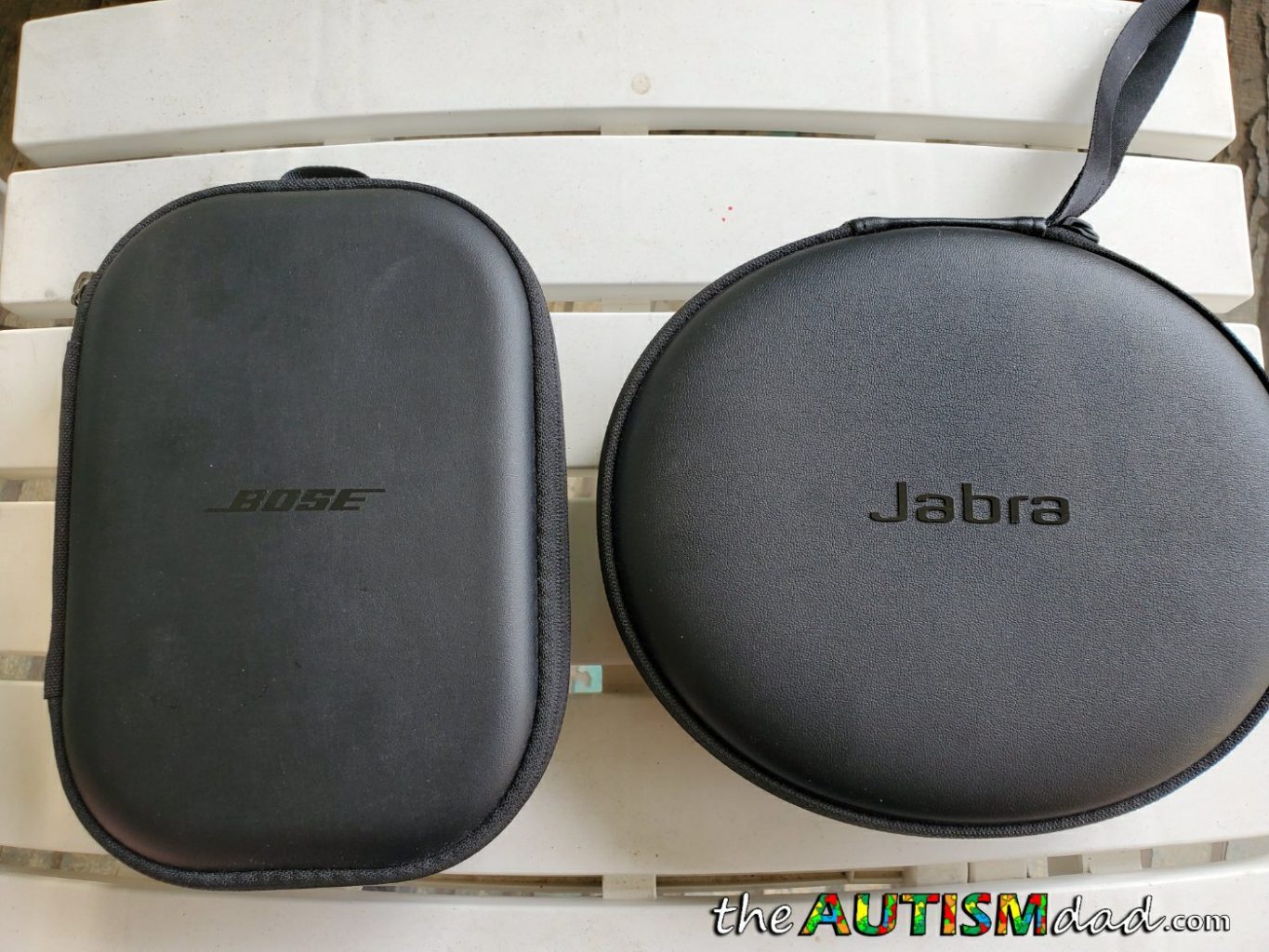
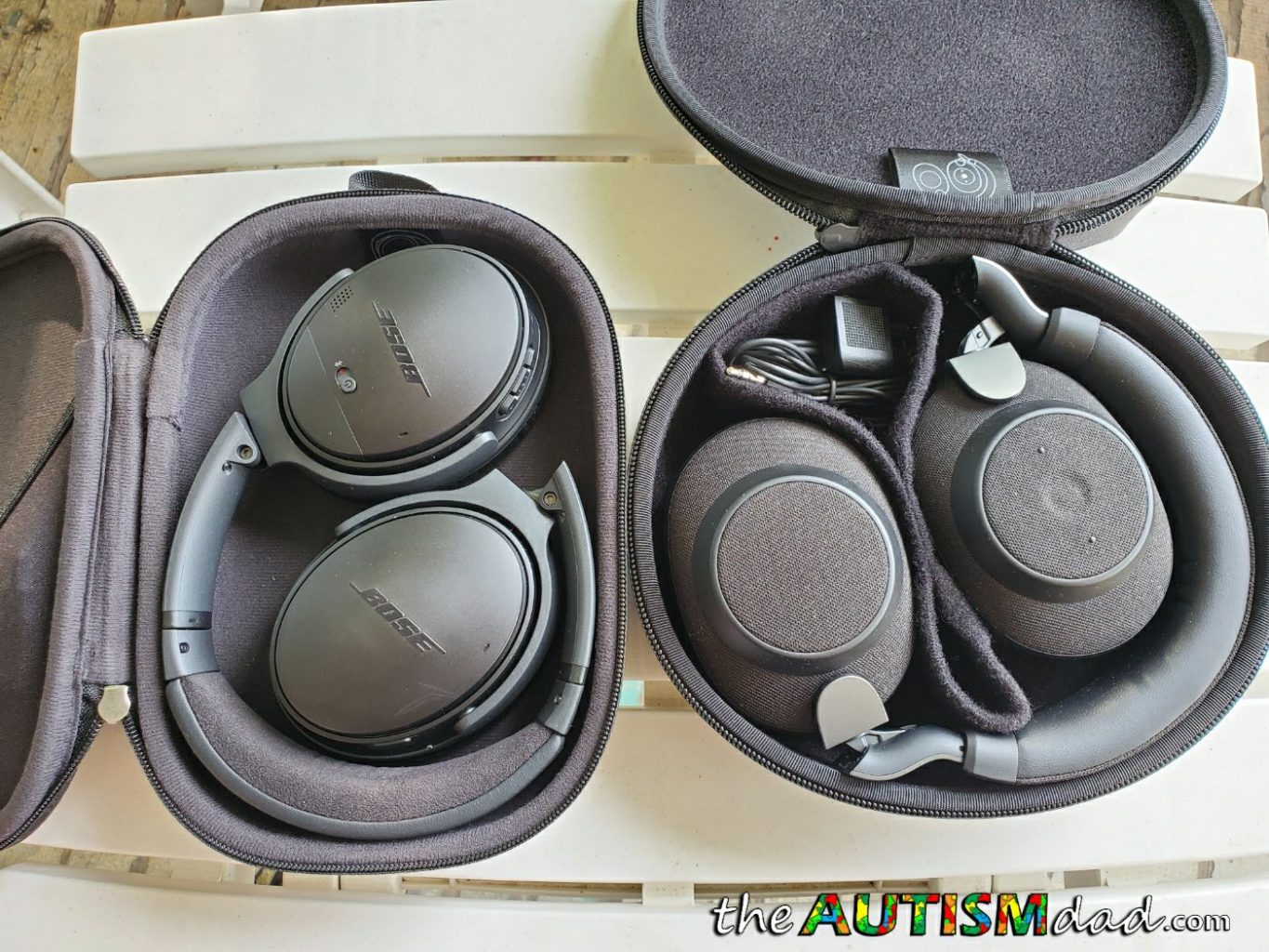
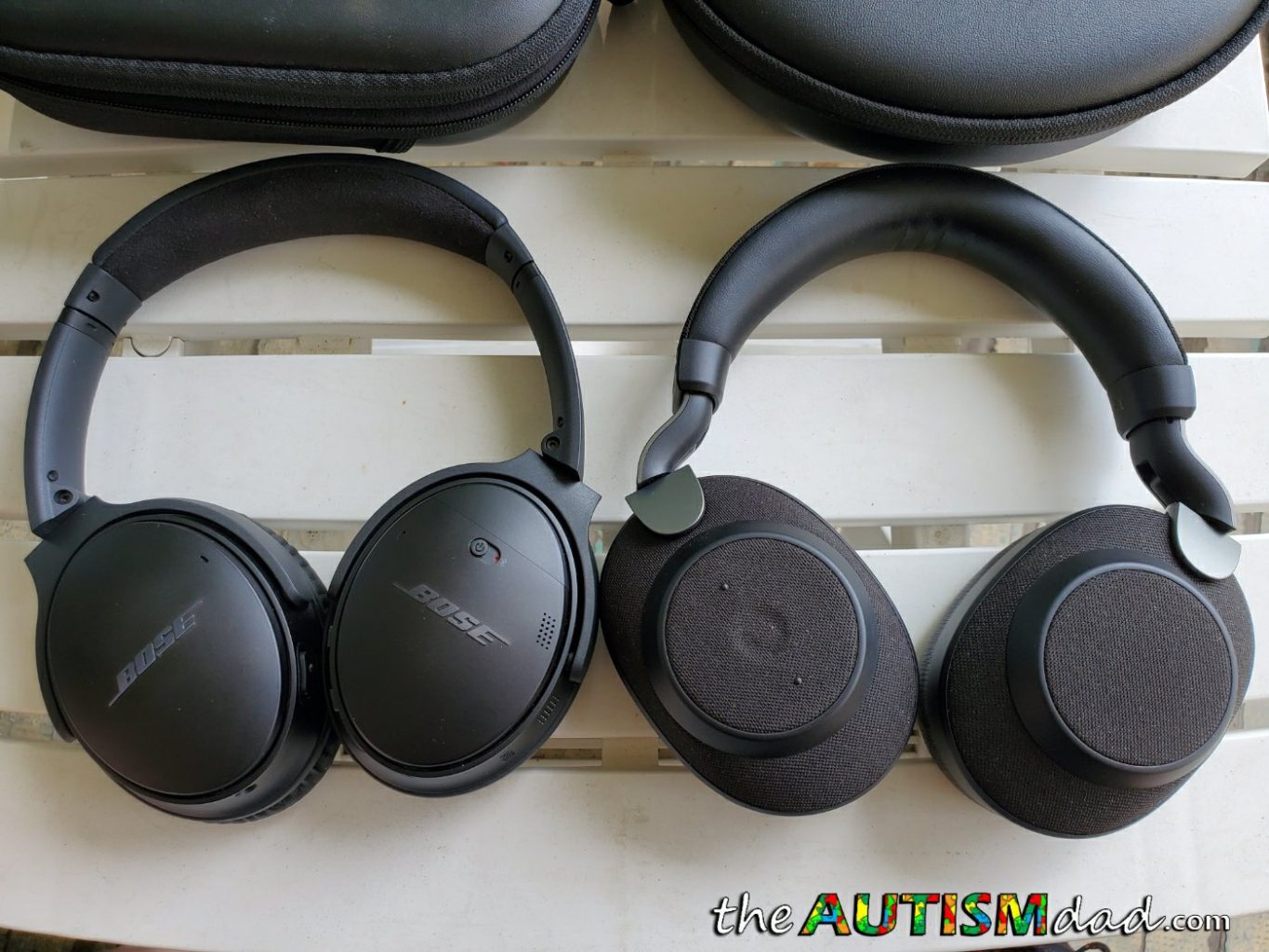
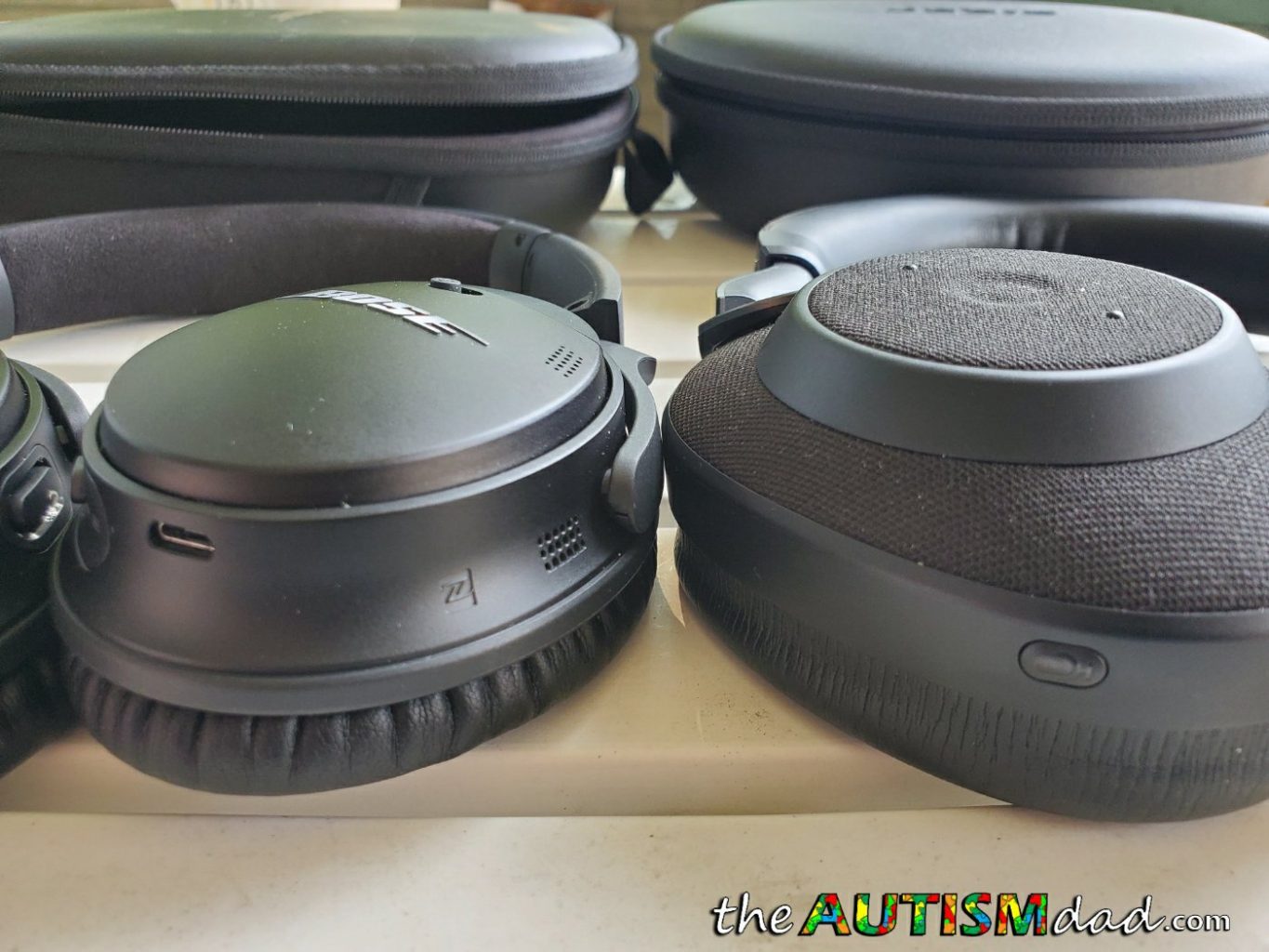
I've personally used both Bose and Sony's high-end active noise-canceling headphones. I currently own the Bose QC 35II and briefly owned the Sony WH-1000XM2. Both fantastic noise-canceling headphones but also come with a premium price tag. So when I had a chance to review the Jabra Elite 85h active noise-canceling headphones, I was pretty excited.
There are a few things I look for personally, in a pair of Bluetooth headphones or earbuds that I'll be using for myself.
- Ambient Noise Pass-Through - Performance- Comfort - Build Quality- Price- Battery Life
Most of the time, you'll find me wearing wireless earbuds, especially for working out. My current preference for the last year or so has been the Jabra Elite Active 65t.
Having said that, when I'm at home and I want to listen to a podcast, music, watch a movie or even make a call, I do prefer the over the ear design. It's all personal preference.
When it comes to my sensory kids, the over the ear design is a must. Noise-canceling has to work and they have to be able to tolerate the headphones for extended periods of time. When it comes to filtering out stimulus for people with SPD, sound quality isn't always the number one thing on the list.
In this review, I'm going to talk about my personal experience with the 85h, as well as the experience of my youngest, Emmett, who's very sensory sensitive to noise. As I mentioned above, sound quality doesn't matter to Emmett but I'll talk about that as well because it matters to the general consumer, myself included.
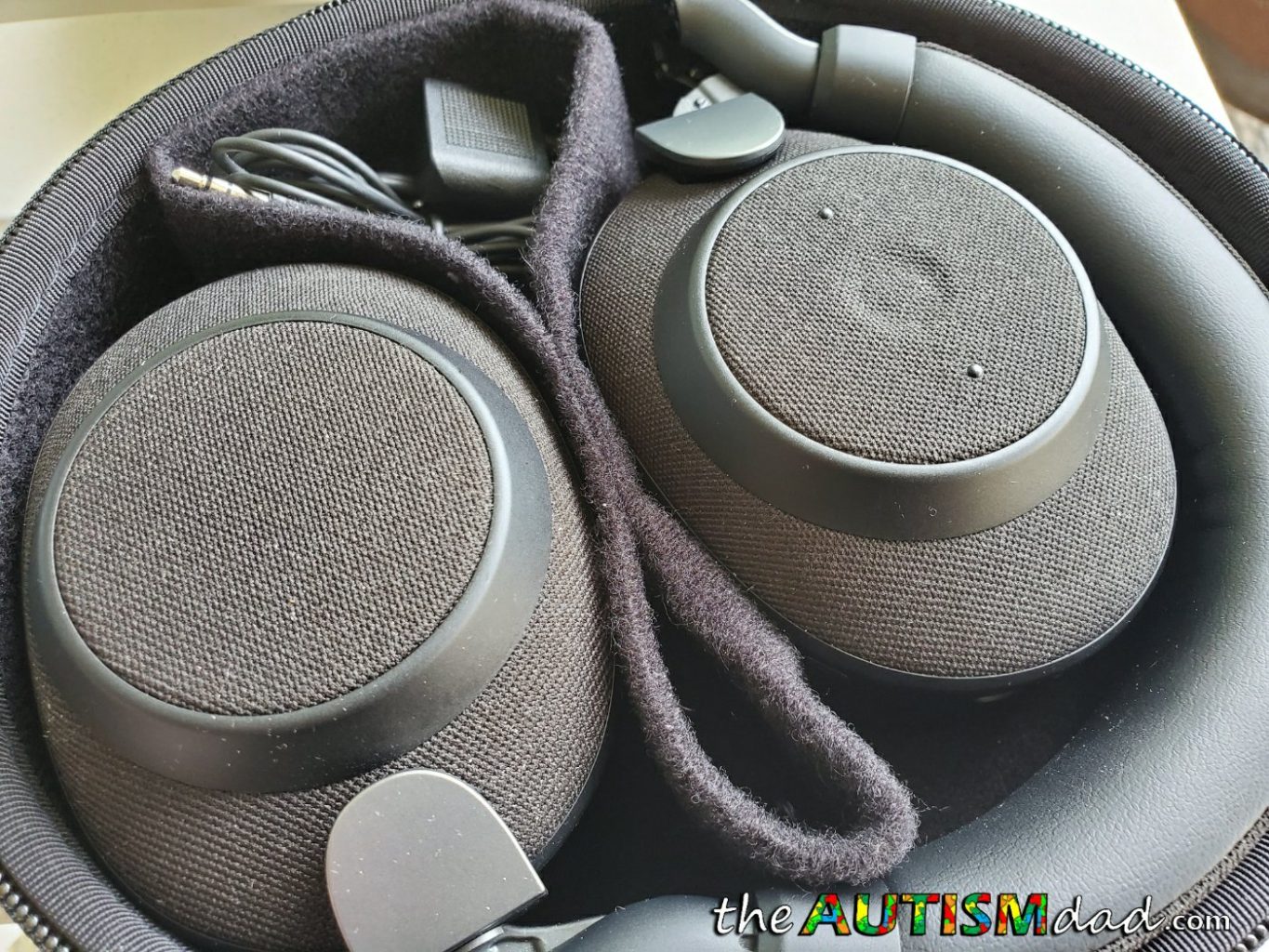
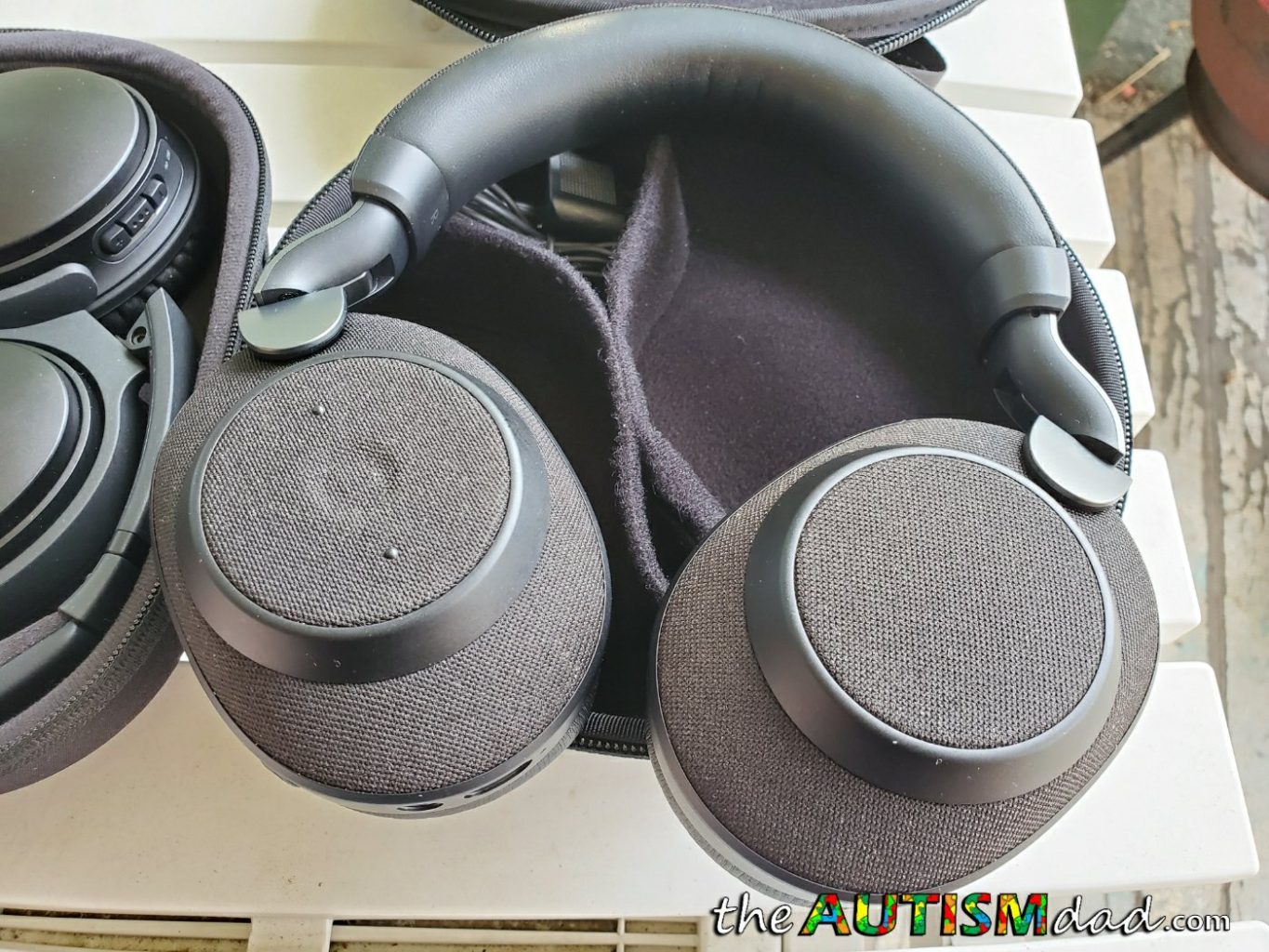
The Jabra Elite 85h is unique in a few ways. For starters, there's no power button. The headphones turn on and off by rotating the right ear cup as seen below.
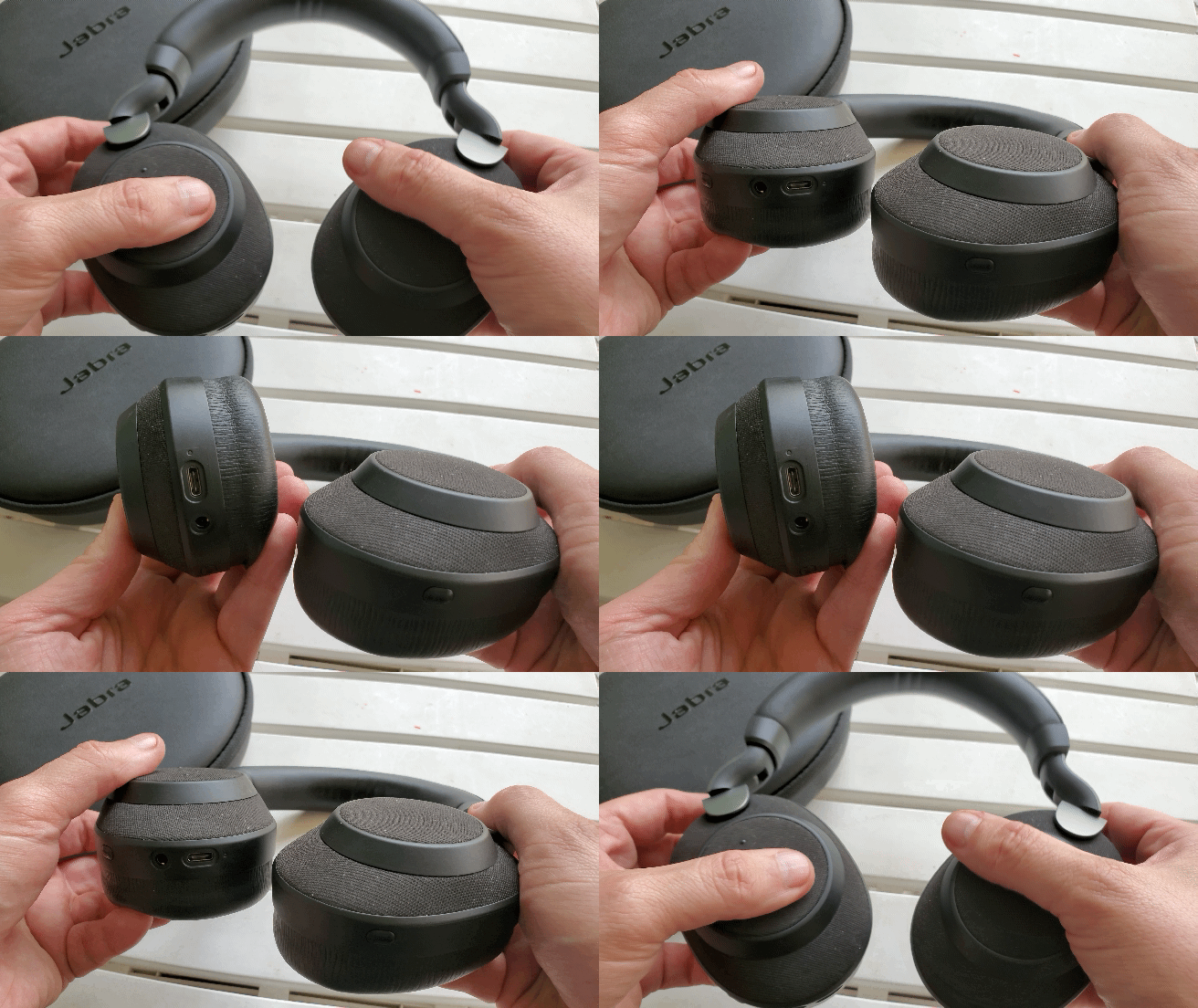
When I first tried this, I was not a fan but the more I used it, the more I liked it. It's super convenient and it works well. I almost prefer this setup over the more traditional power button.
From the perspective of a child with Autism, it might be significantly easier than messing with a small button or switch. Fine motor skills can be also be something that Autistic kids struggle with. With the Elite 85h, they simply remove them from the case, rotate the ear cups and they're instantly connected to their device.
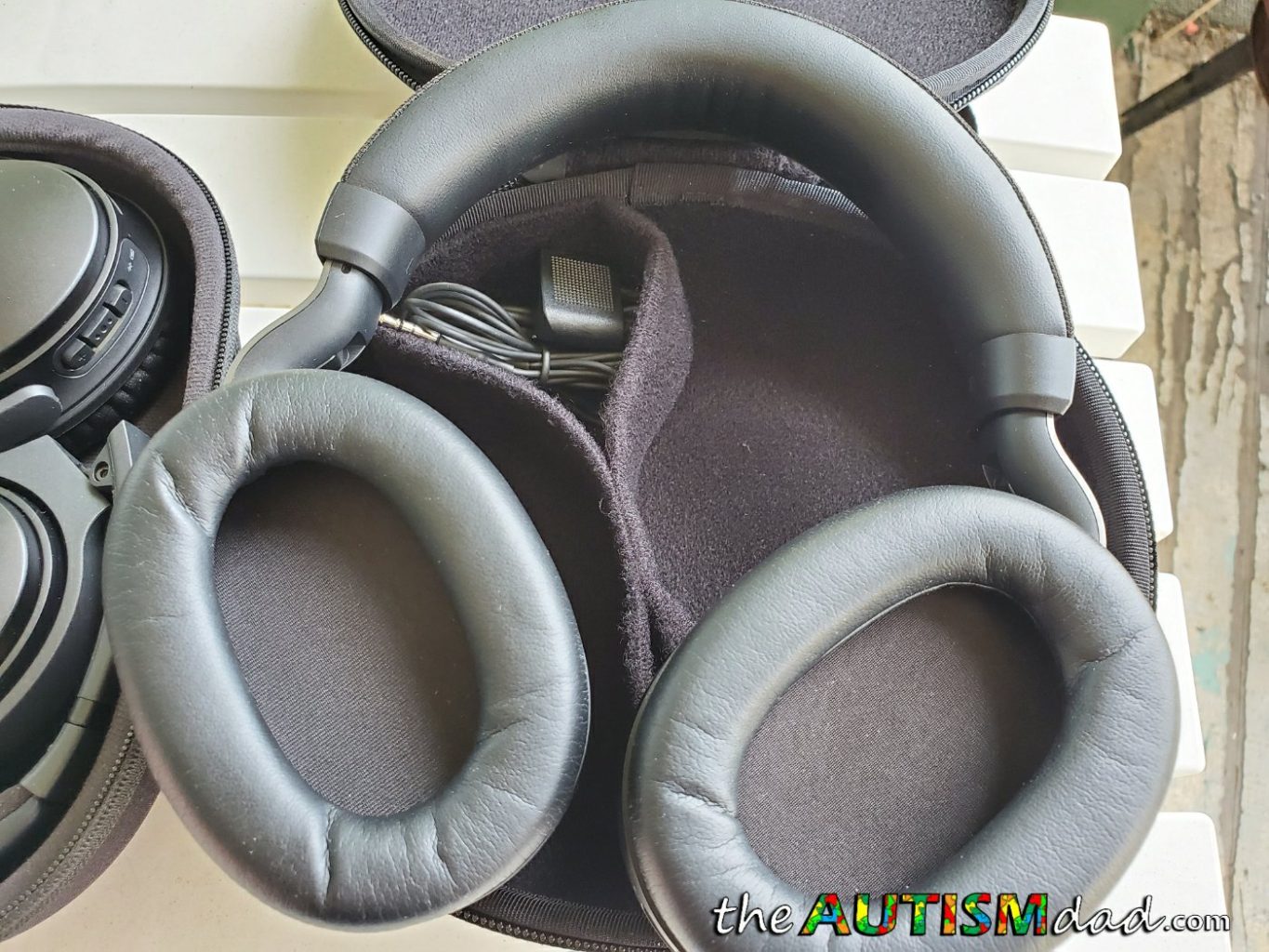
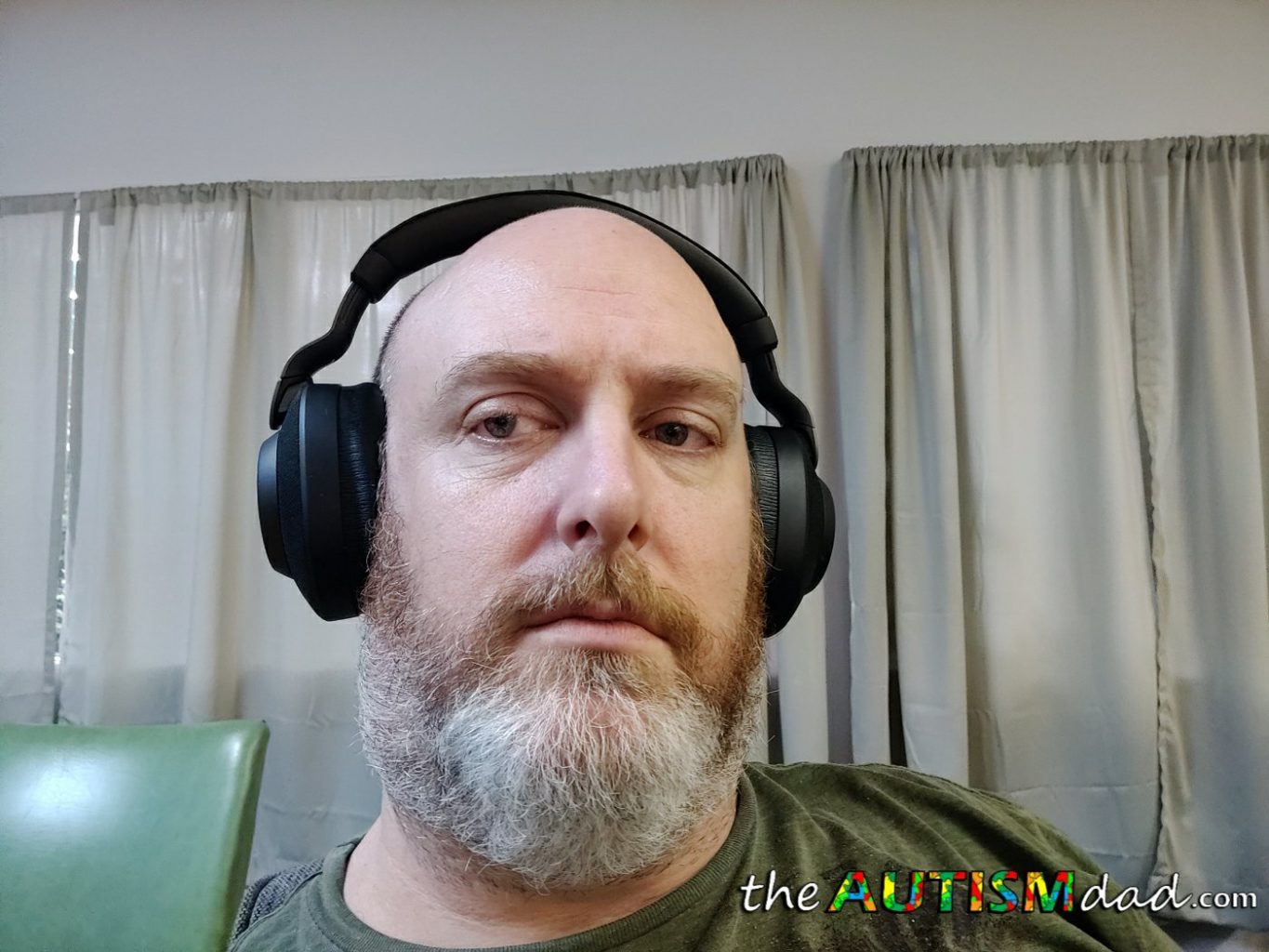
The headphones are very comfortable and stay in place when in use. As with any other over the ear design, your ears may sweat after extended use. That said, these are very, very comfortable and I actually prefer them to the Bose QC 35II. I'm not entirely sure why that it is specifically, but for me, the Jabra's are super comfortable.
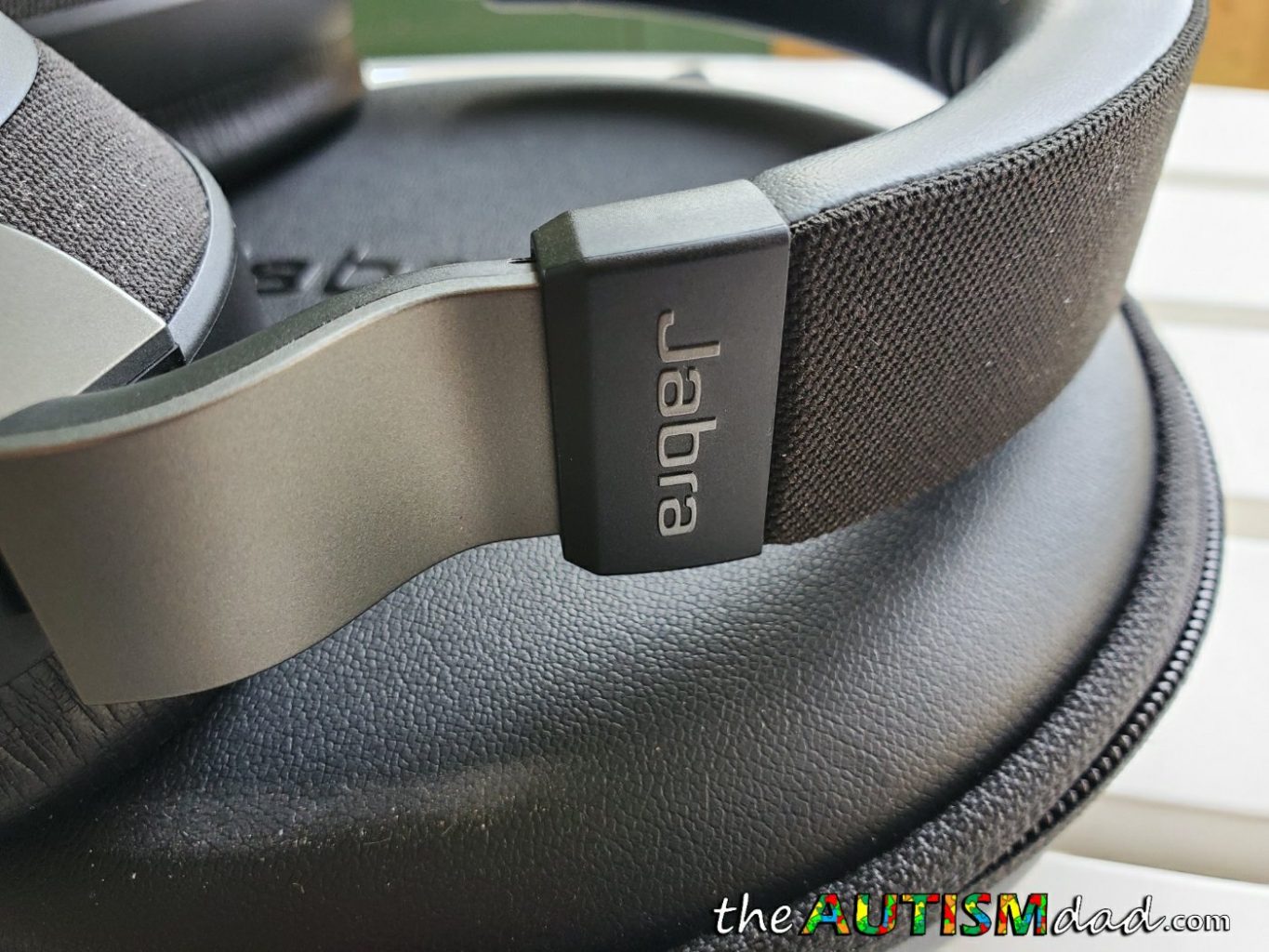
The headphones themselves are made of plastic and appear to be very durable. I never felt like they were fragile or I had to be be careful with them. This is important when it comes to kids on the spectrum because they aren't always gentle with their headphones, my son included.
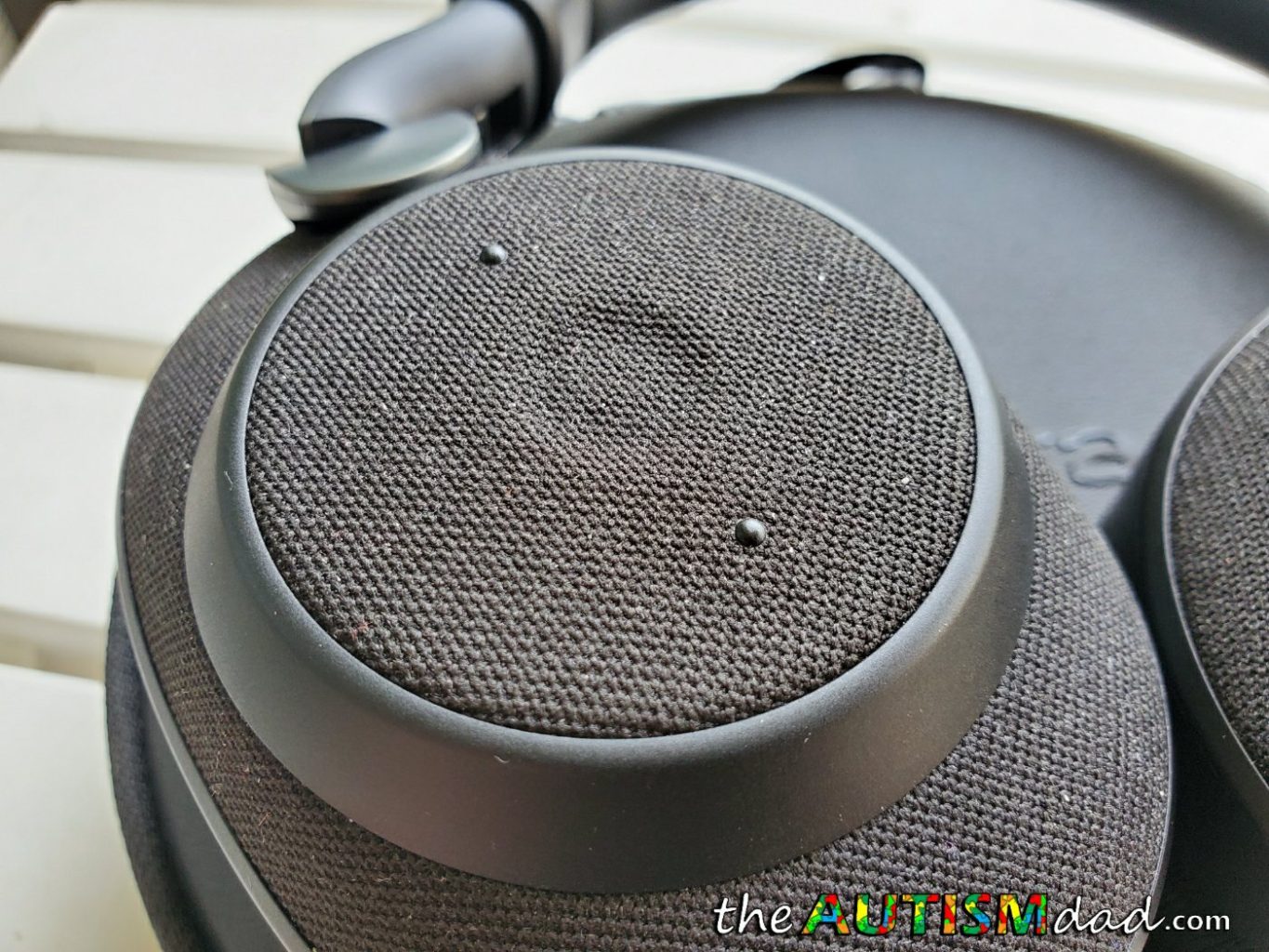
The outside of the ear cups is covered in a fabric material. I'm not sure what led to that design choice but it works fine for me. It actually gives the Jabra Elite 85h a unique look.
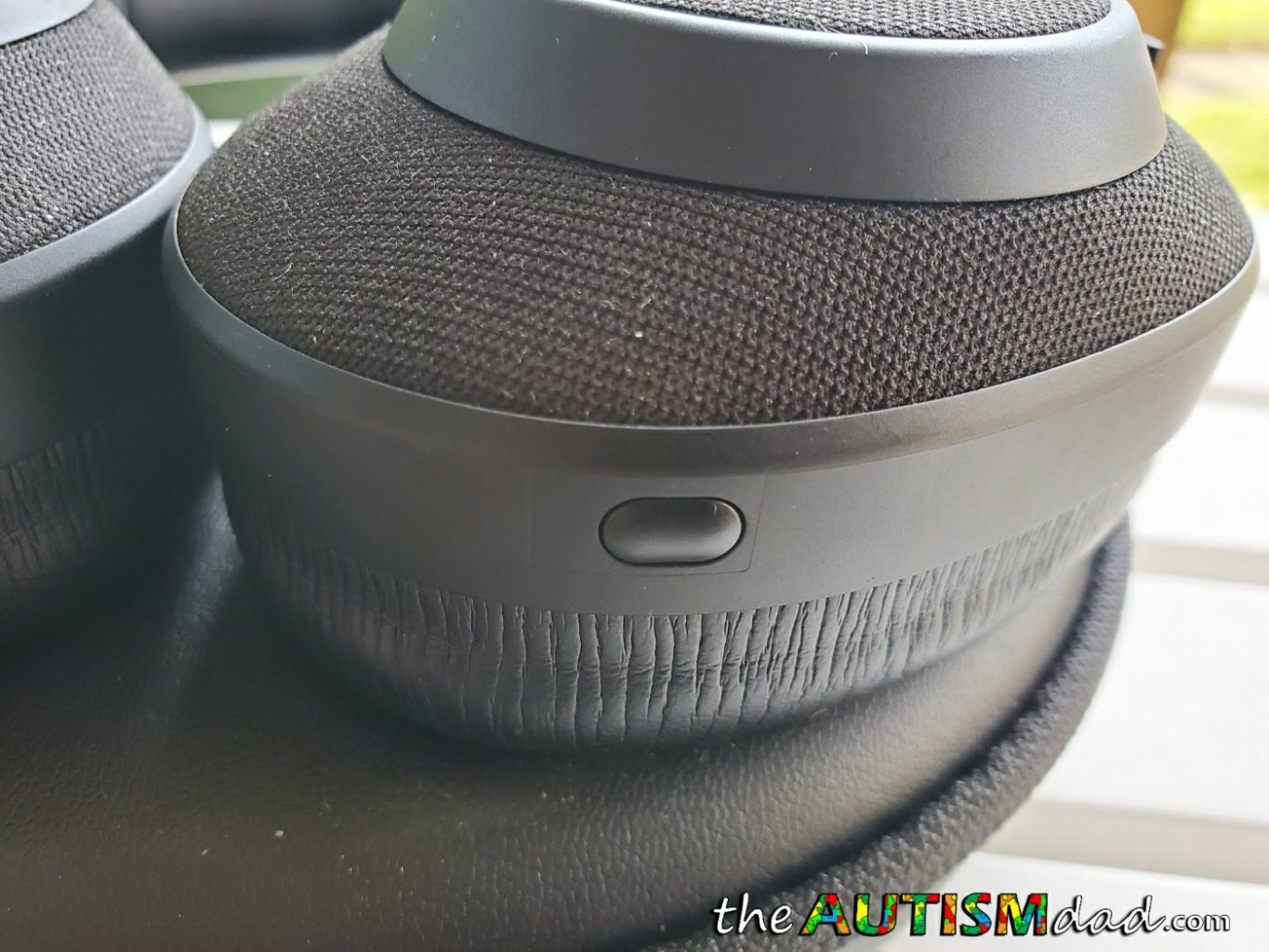
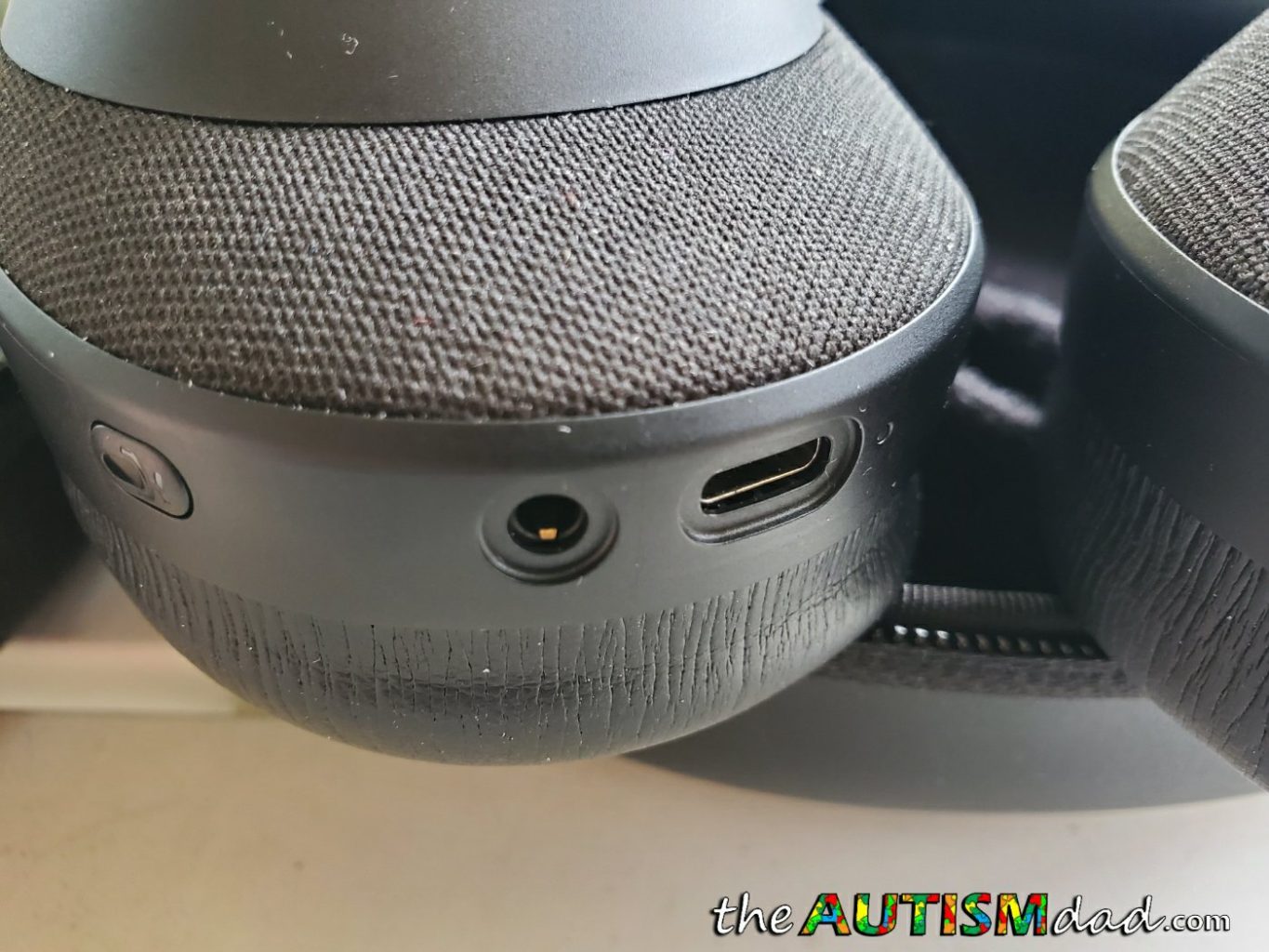
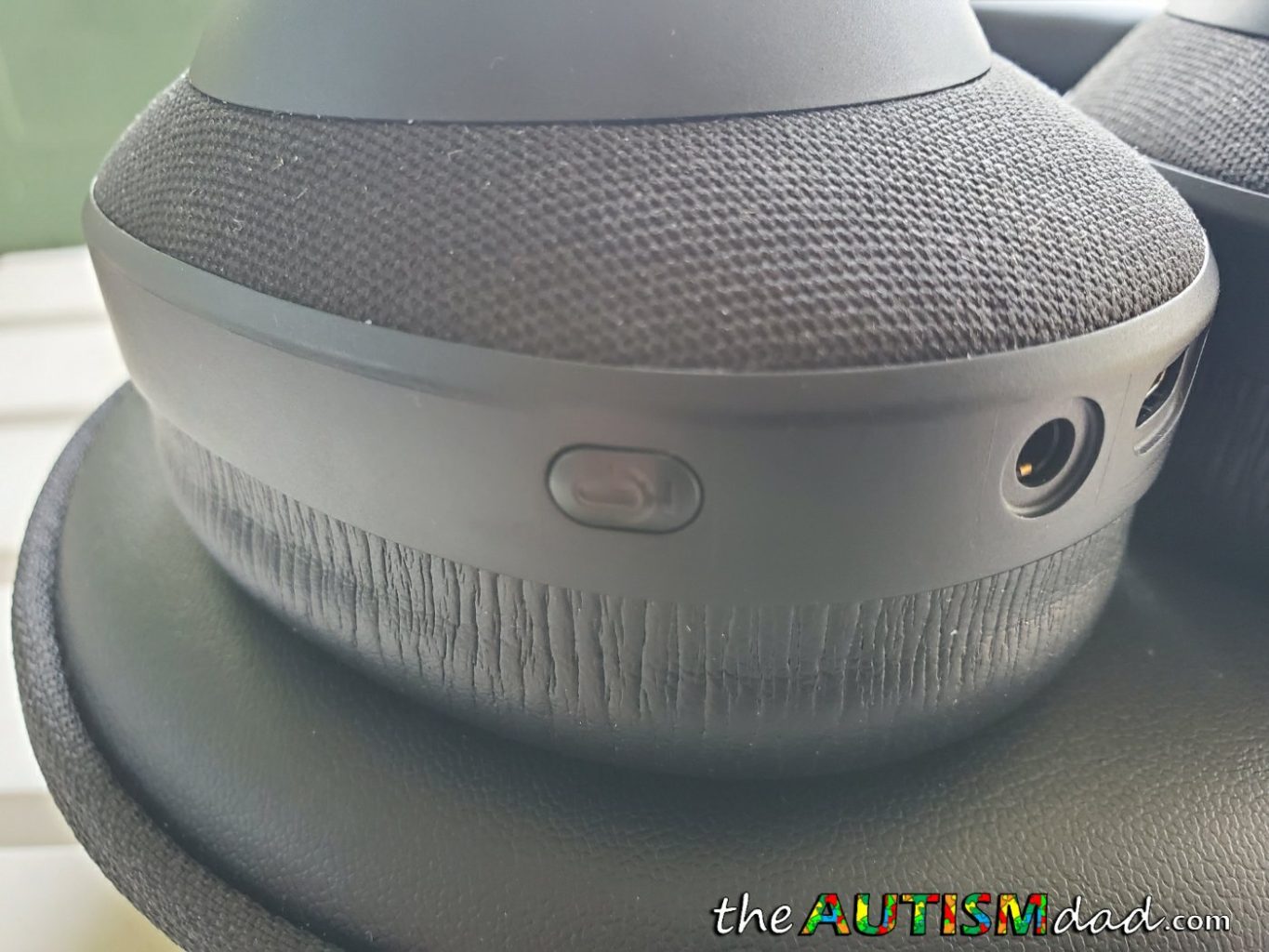
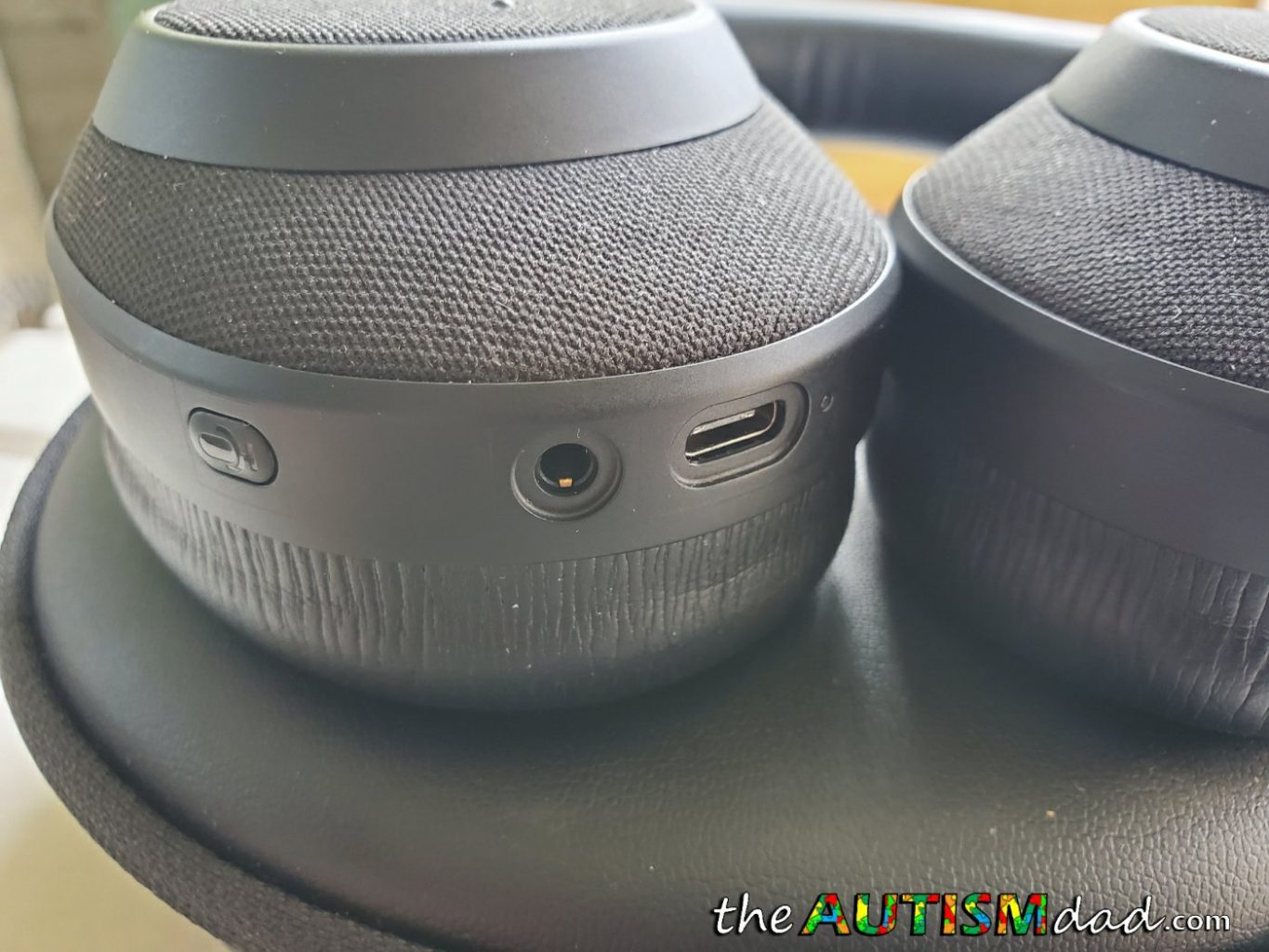
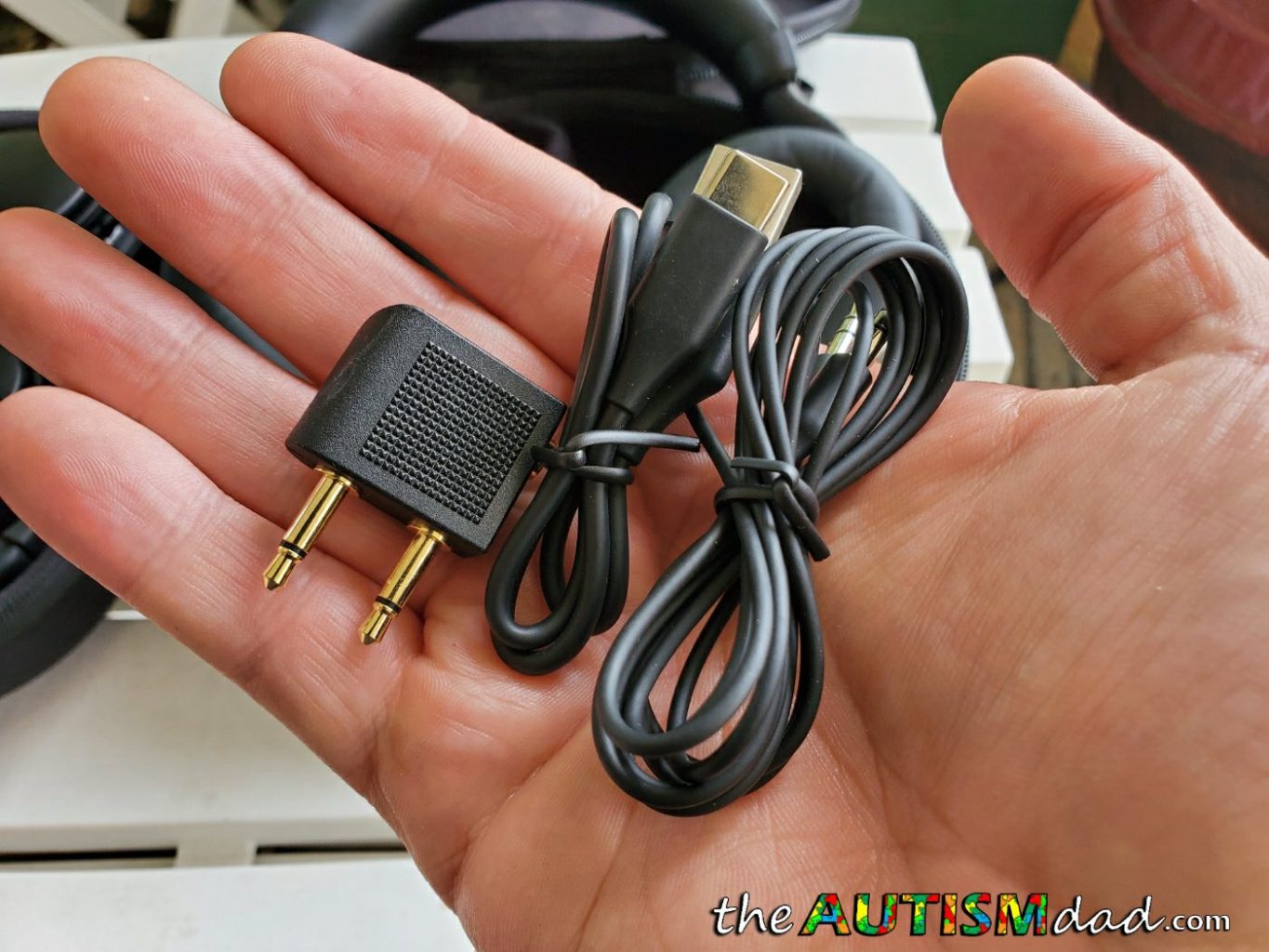
The right ear cup controls the power and also houses four buttons. There are buttons for volume up, down, skipping tracks, etc. The center button is for play/pause/answer/hangup. There's also a button for voice assistant as well. The right ear cup is also home to the USB C port for charging and the spot for the wired headphone cable.
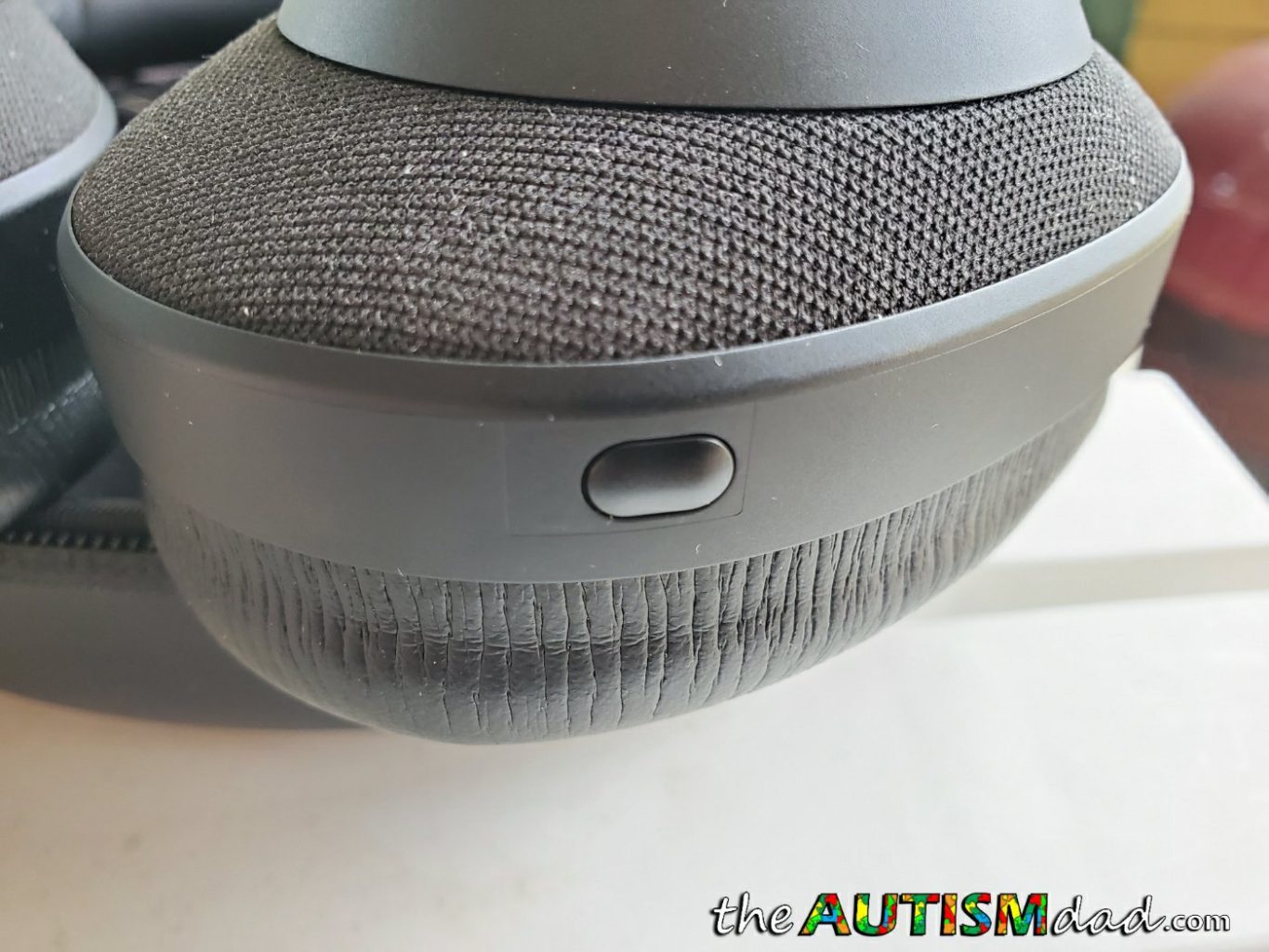
The left ear cup keeps things simple as there is one single button and it toggles through the ANC settings.
 -
-  -
-  -
-  -
-  -
- 
None of this would be helpful for Emmett if he couldn't wear them because they were uncomfortable. Fortunately, Emmett found them comfortable as well and that says a lot about the overall design because he's very picky/sensitive about these things.
Noise-canceling is fantastic. I've seen a few reviews where the state that it's not quite as good as the Bose but useless you're switching between the two and listening for a difference, you're not likely to notice. I didn't really notice a difference when switching between the two. I think it's subjective.
The Jabra Elite 85h does an excellent job of blocking out noise. If I needed to, I could easily drown out all the noise my kids make around the house. Emmett found significant relief from ambient noise while wearing them. One of my favorite things is the look on his face when he puts them on and turns the noise canceling on. You can see in his face that it's providing relief.

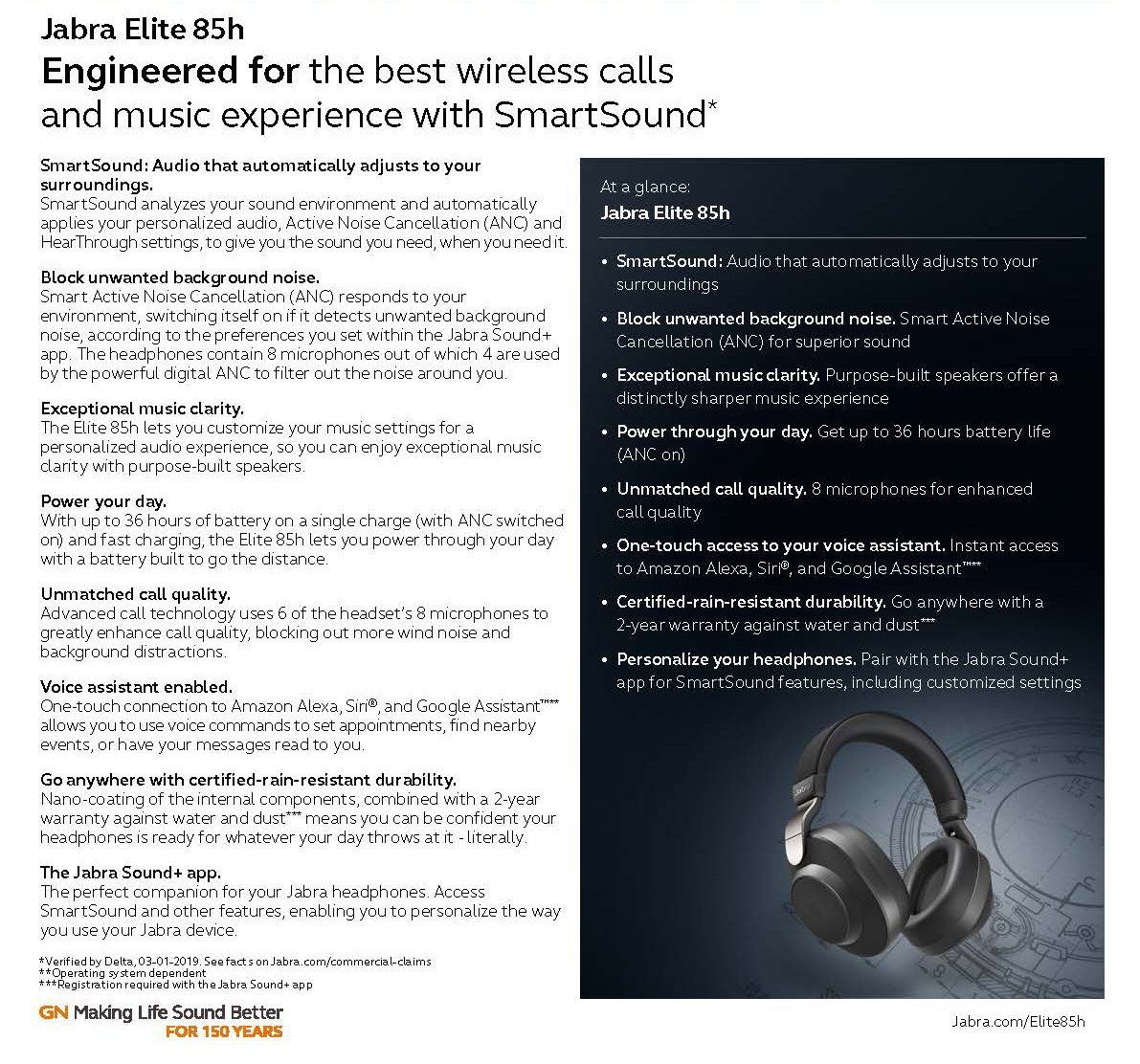
The Jabra app provides tons of customization options. You can customize the sound and update the firmware, directly from the app. You can also throttle the noise-canceling if you desire. There's even an option that allows the headphones to manage the noise-canceling automatically and will adjust according to the environment you're in. I found that works well for me but Emmett prefers the noise canceling to be on all the time.
This leads me to my favorite feature and that's the ambient noise pass through. I've mentioned this in other reviews and I'll say it again. This feature is a must for me and I absolutely notice it when it's missing.
The ambient noise pass-through allows you to have the headphones on, listening to whatever and still hear everything going on around you. Obviously, noise-canceling isn't possible while using this feature but it's a requirement for my personal headphones for a few reasons.
 -
-  -
-  -
-  -
-  -
-  -
-  -
-  -
-  -
-  -
- 
The pass-through allows me to hear my kids while listening to a podcast or music. It actually amplifies the sound around and increases my awareness of my surroundings. This is really important for me as an Autism Dad because I always need to be aware of what's going on with my kids. This is just something I really appreciate and Jabra's implementation of this is fantastic. In fact, it's probably the best I've used.
Perhaps you haven't thought about this but headphones like this can often double as a wireless headset for making and receiving calls. I used this feature a little bit on the Bose but wasn't blown away by it. It's important to note that the Bose QC 35II's are several years old and Bose has just released brand new headphones that are supposed to set a new gold standard, but it comes at a premium price. I've not tested them though.
Having said that, the Jabra Elite 85h's are fantastic for making calls. The calls sound great for me and the other party doesn't even know I'm on a headset. Background noise is significantly reduced and the call quality is superb. I'm very, very impressed and they have become my goto headphones for making calls now.
As I have already stated, those looking for sensory relief from sound, likely aren't super picky about sound quality. Emmett is no exception to this. That's not to say everyone with SPD feels the same way and I know sound quality matters to me and as it does for most of the general consumer market.
I found the sound quality to be really good. I wasn't happy with the default settings so I played around with the audio presets in the app and found something that worked well for me. The audio is clear and these things get loud. Bose takes the crown in regards to bass, but again, that's somewhat subjective. For me personally, they sound fantastic and I have no complaints.
Technical Specs:
Even the best headphones in the world are worthless if the battery life sucks. The Jabra Elite 85h boasts 36 hours of battery life, with ANC on. Rapid charge technology provides 5 hours of use from just 15 minutes of charging. That's impressive, any way you look at it.
These headphones are engineered to withstand the elements as well. Each pair comes with a 2-year warranty against dust and water.
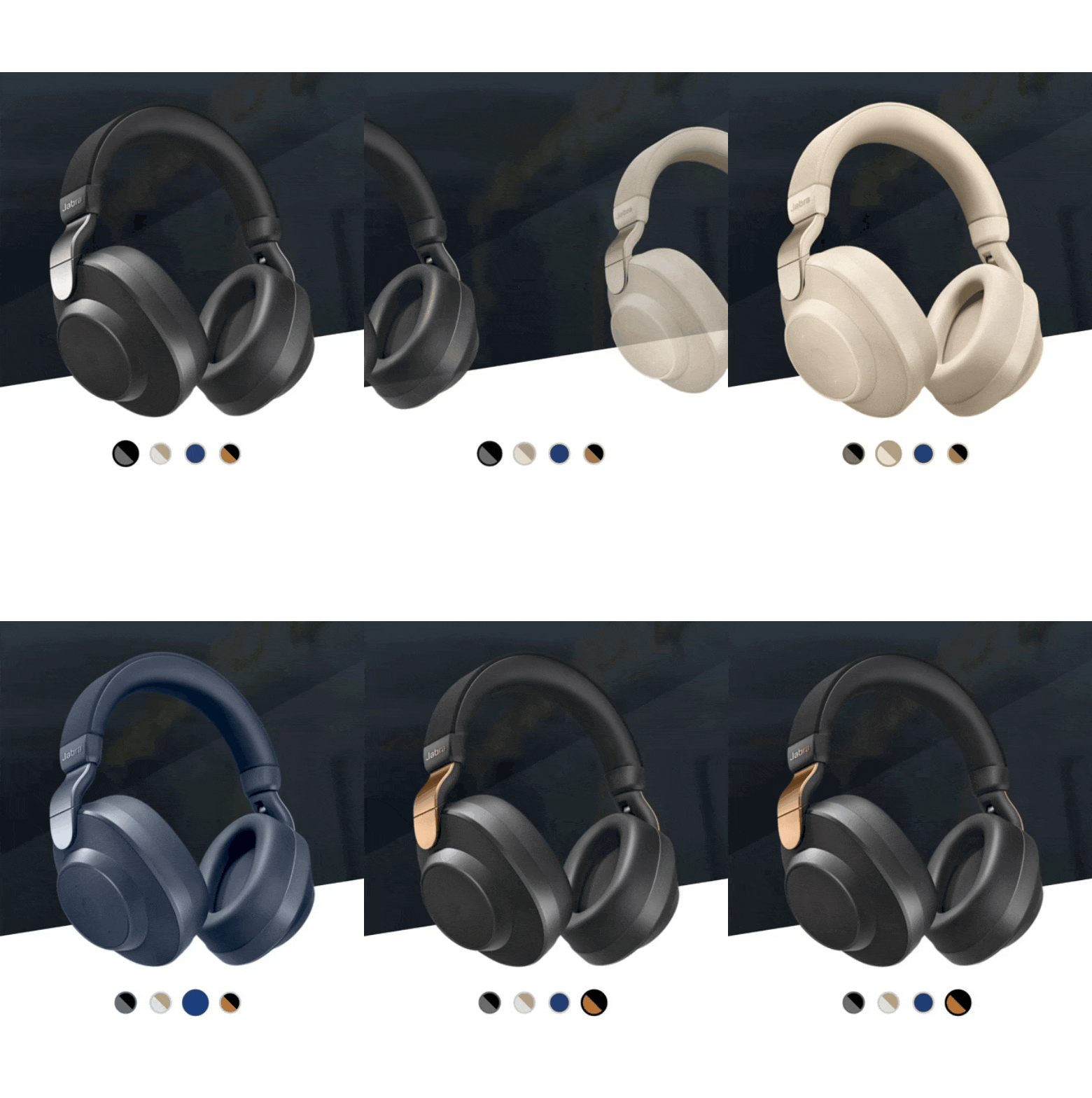
The Jabra Elite 85h comes in 4 different colors and clocks in just under $300, which makes them cheaper than both Bose and Sony.
The reality is that Active Noise Canceling Headphones are expensive. There's no way around that. They can be a necessary expense for many families like mine. The use of ANC headphones for kids or adults with Autism and or SPD is not a luxury. This technology can dramatically improve the quality of life for those with noise sensitivity. They can reduce overstimulation and subsequently reduce the meltdowns that follow.
As for the rest of the world, these are a luxury item and if you have the cash burning a hole in your pocket, you can't go wrong with the Jabra Elite 85h Active Noise Canceling Headphones. They're less expensive than the competition and in my opinion, they check all the boxes.
You can find Jabra at their website by clicking here.