
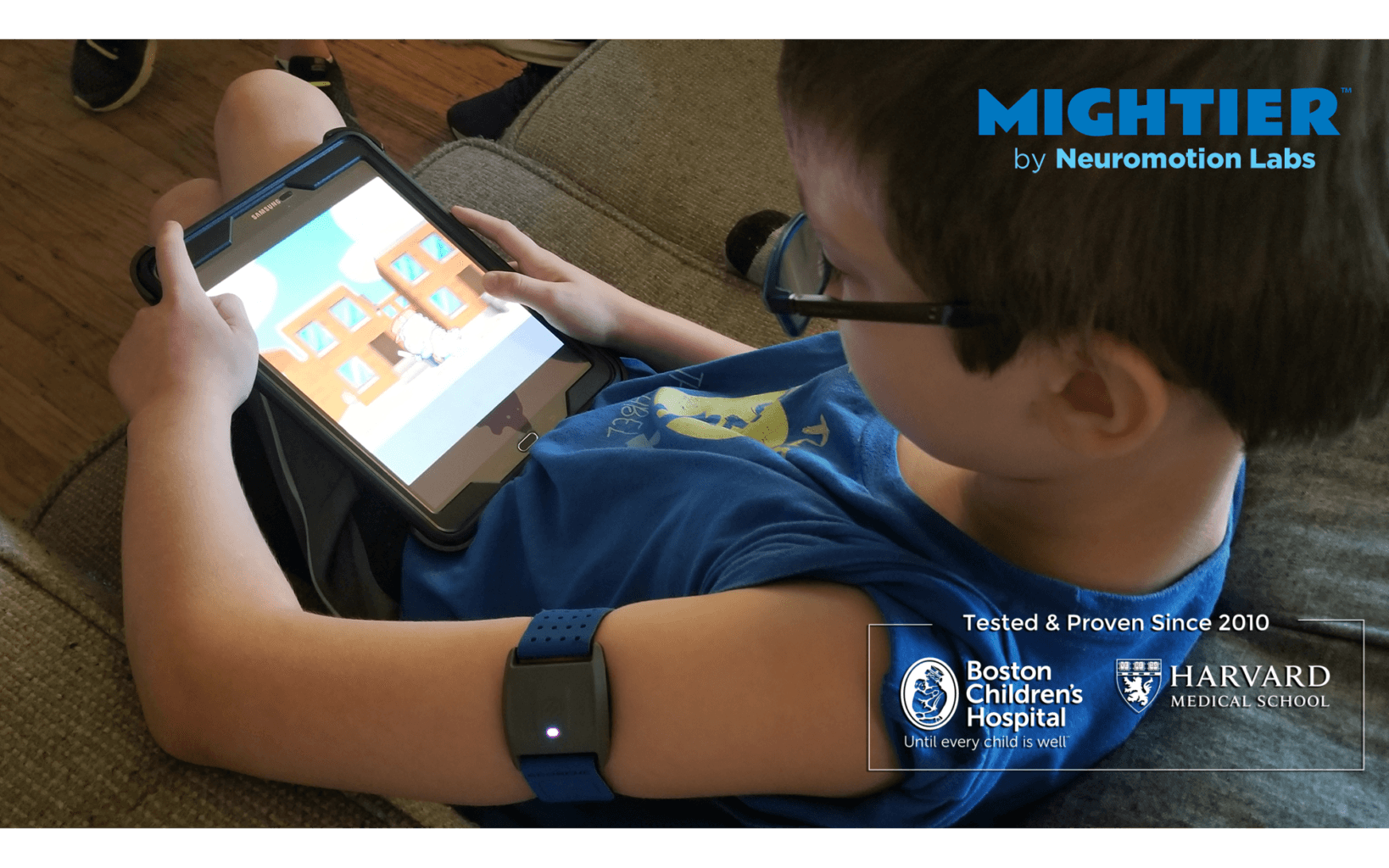
Mightier Review: Helping Kids with Autism & ADHD Manage Meltdowns
By Rob Gorski, dad of three autistic sons · Updated June 2026 · 8 min read
Disclosure: This page contains affiliate links. If you buy through them, I may earn a small commission at no extra cost to you. Mightier did not pay for or approve this review. These are my honest opinions after using the product with my family.
If you're an autism parent, you know how exhausting meltdowns can be, for your child and for you. I've been there more times than I can count. That's why when I discovered Mightier, I was cautiously optimistic. A video game that actually teaches emotional regulation? It sounded too good to be true.
After using it with my son Emmett for several months, I can honestly say it works. Here's my full, honest review.
What Is Mightier?
Mightier is a biofeedback-based emotional regulation program tested and developed at Boston Children's Hospital. It's designed for children ages 6–14, especially those navigating autism, ADHD, anxiety, anger, outbursts, and ODD.
The program uses interactive games paired with a heart rate sensor to teach kids how to recognize and manage their emotions in real time. When their heart rate goes up (signaling stress or frustration), the games become harder, encouraging kids to practice calming techniques to regain control. Mightier recommends about 45 minutes of play per week, and reports that 87% of families see positive change within 90 days. That 87% figure comes from Mightier's own internal outcome data, not an independent clinical trial, worth knowing as you weigh it.
How Mightier Works (Step-by-Step)
- 1
Your child wears the heart sensor and starts a game
The rechargeable Bluetooth sensor pairs with the Mightier app on a tablet or phone. Each play session is roughly 15 minutes.
- 2
The game responds to their heart rate in real time
When their heart rate climbs (frustration, excitement, stress), the game gets harder. To win, they need to calm their body, through breathing, muscle relaxation, or mindful focus.
- 3
Those calming skills transfer to real life
After a few weeks of practice, kids start using the same techniques outside the game: during a meltdown, a tough homework moment, or a sensory overload. That's where parents start seeing the change.
What's Included
Game App
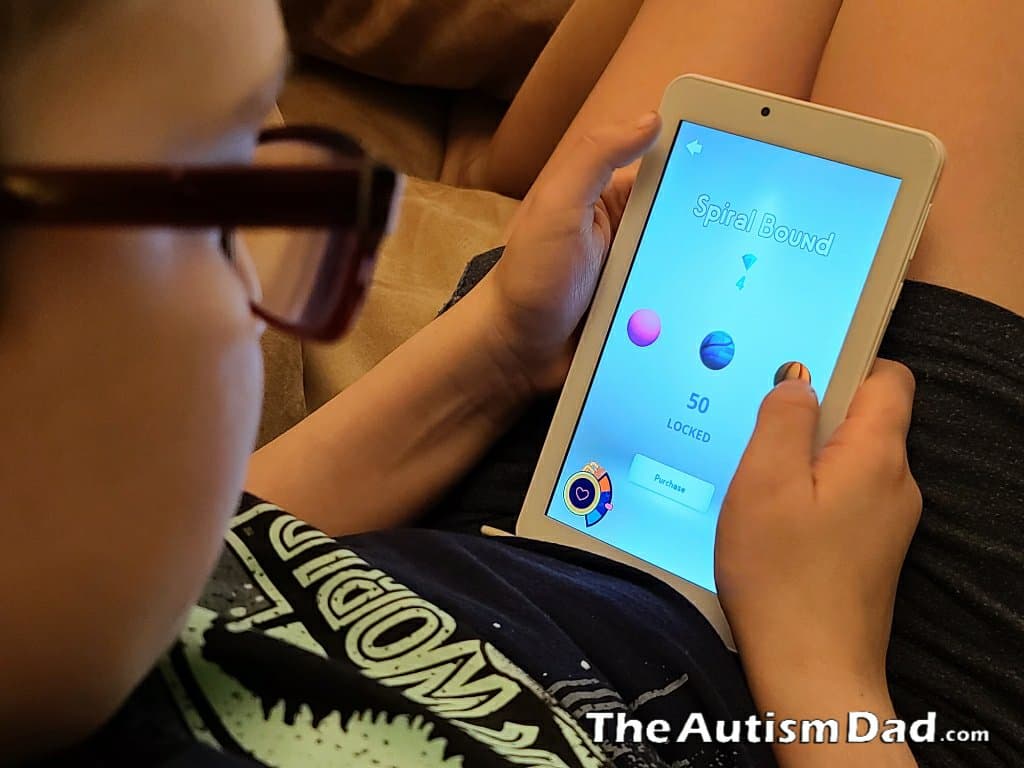
25+ games that adapt to your child's emotional state in real time
Rechargeable Heart Sensor
Bluetooth sensor that monitors biometric data during gameplay
Conversation Cards
Card deck that turns play sessions into family conversations about feelings
Monthly Skill Packs
Off-screen activities that reinforce emotional awareness (physical on 6/12-month US plans, digital otherwise)
Parent App
Track your child's progress, get tips, and access program resources
Durable Carrying Case
Kid-friendly case that keeps the sensor and cards together between sessions
Our First Week with Mightier
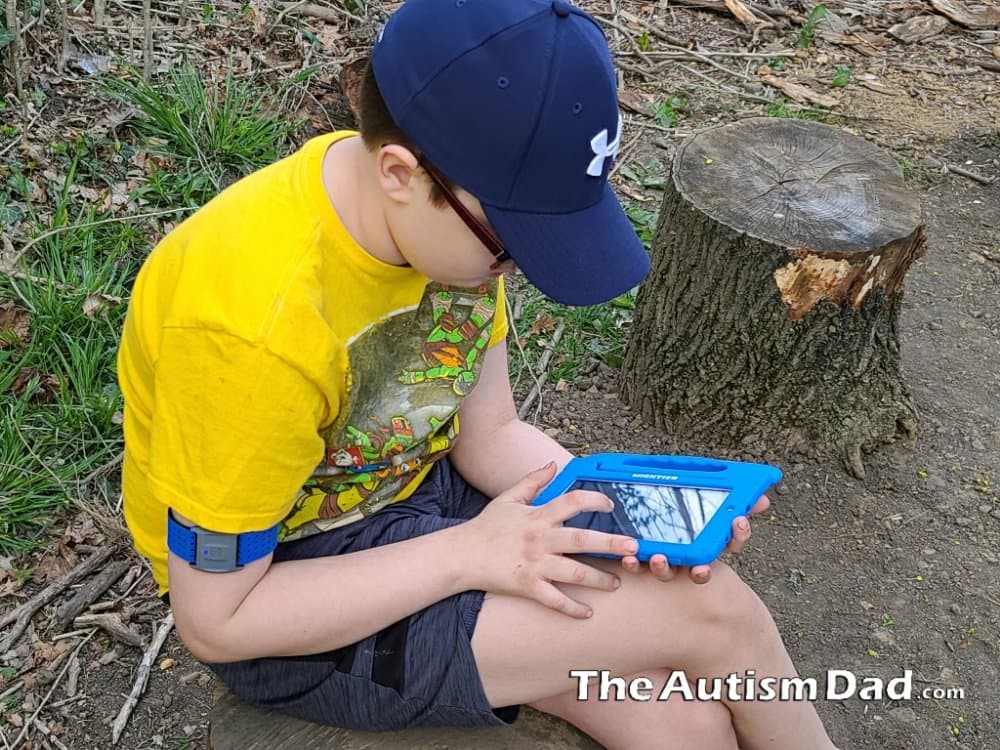
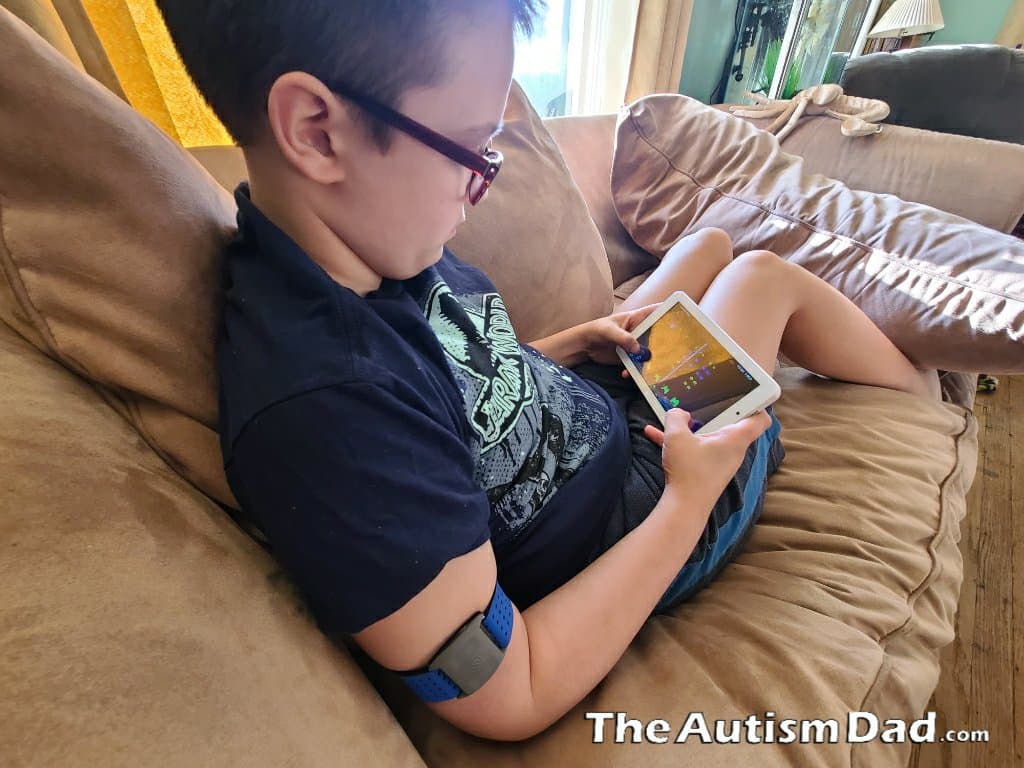
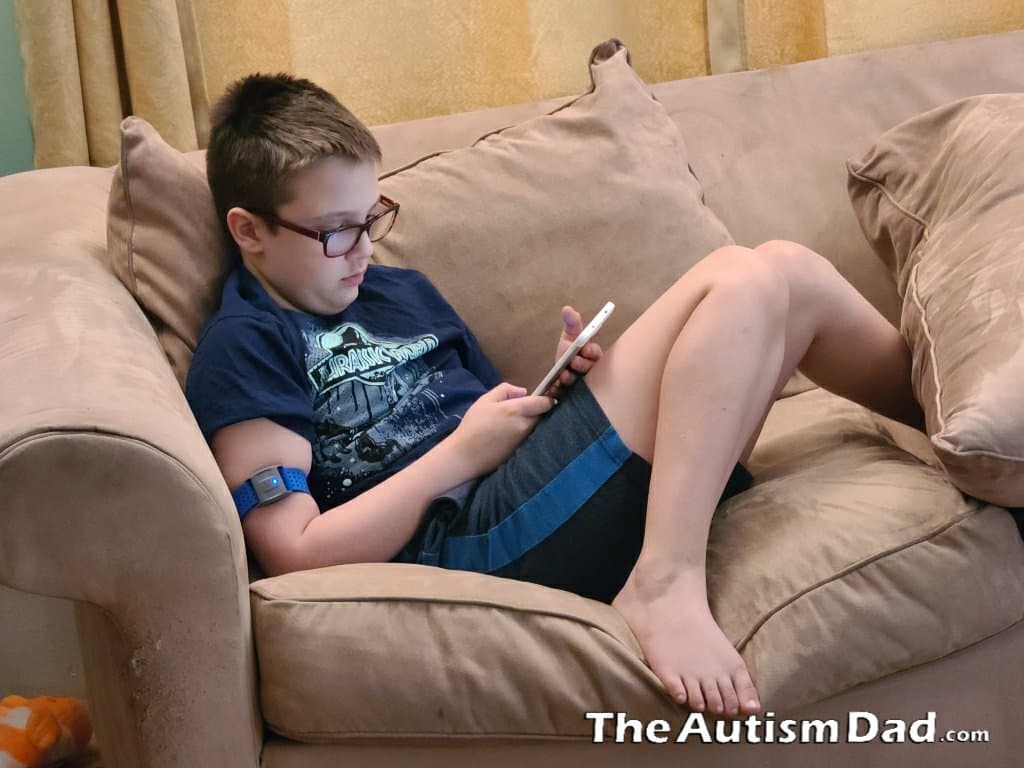
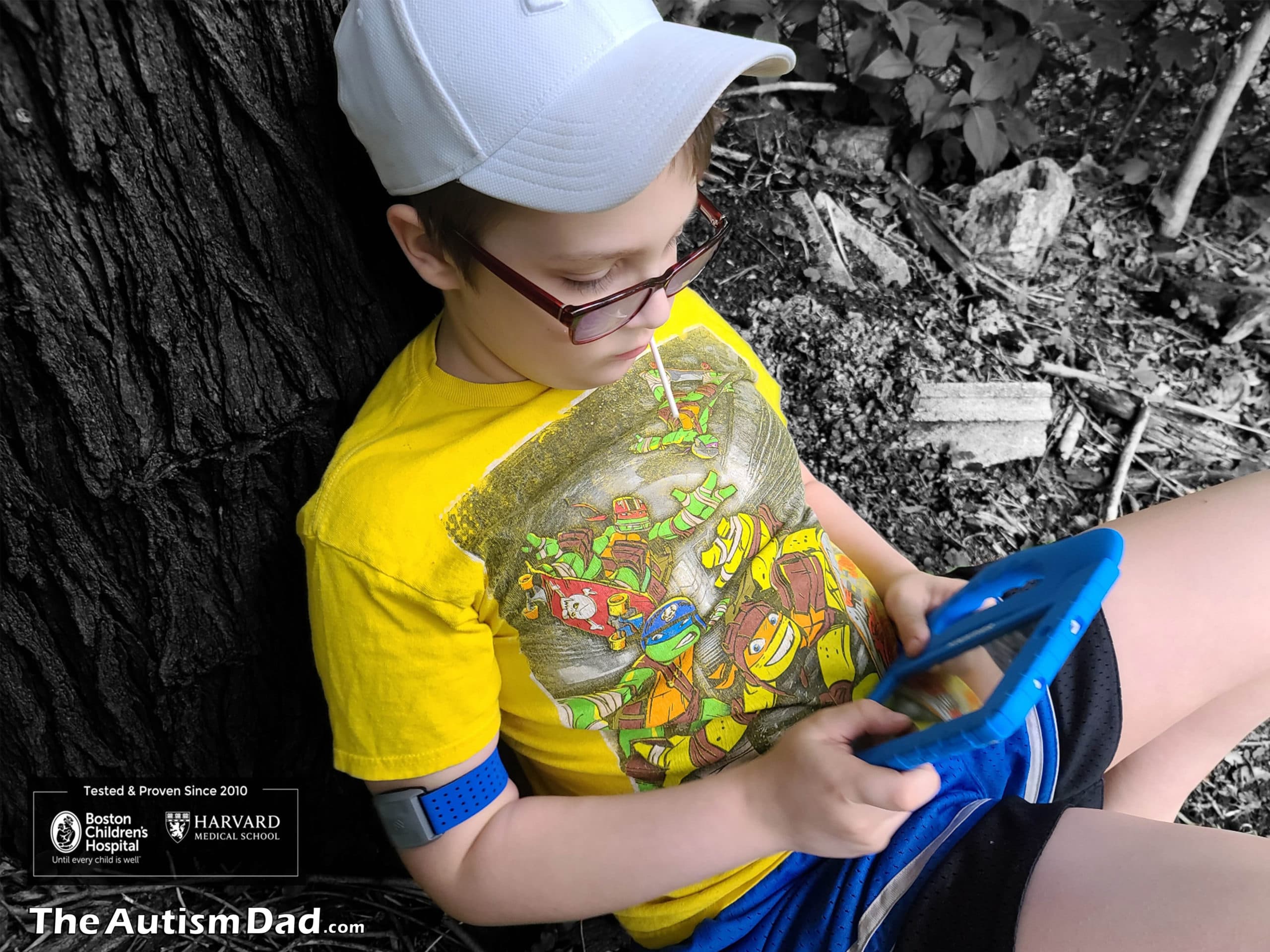
The box arrived on a Tuesday. Emmett, around 10 at the time, wanted to try it within five minutes of opening it. My biggest worry going in was the wristband: he's sensory-sensitive and has refused perfectly good shoes because the tongue was “too thick.” The Mightier sensor is small and soft. He looked at it for about three seconds and slid it on without comment. That alone surprised me.
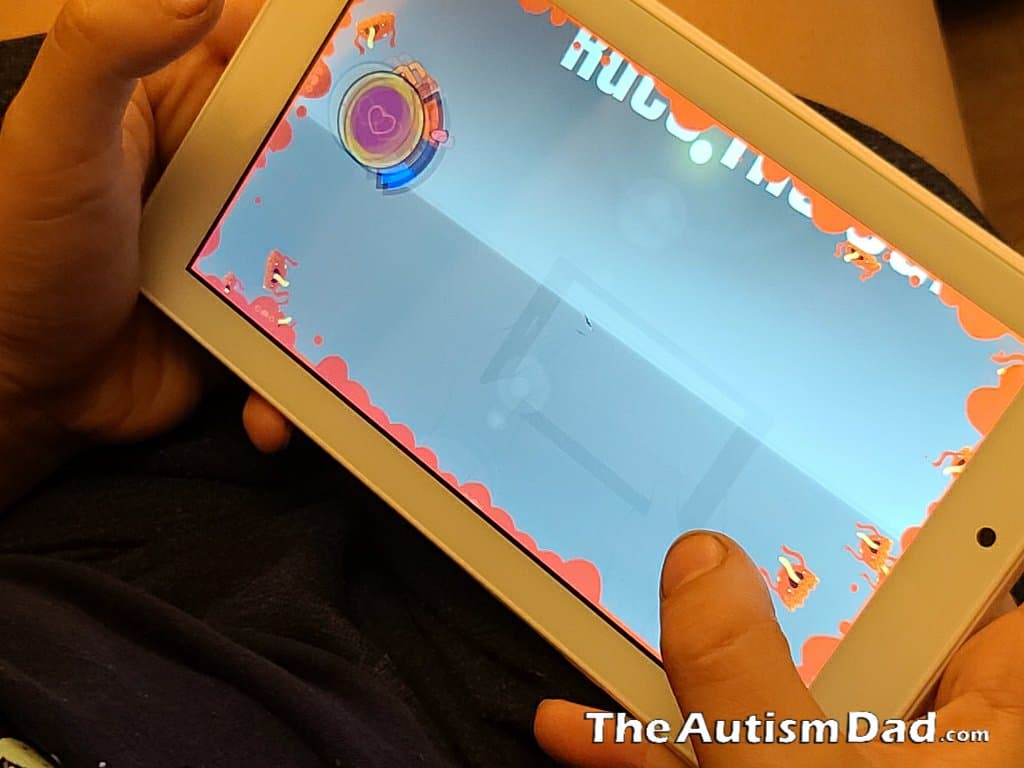
The first game we tried was something with bubbles and slow breathing, a calm game that gets harder when your heart rate goes up. I watched him over his shoulder for a few minutes. He didn't say anything insightful. He just played. When the game got harder because he got frustrated, he frowned at the screen, took a breath without anyone asking, and the game got easier again. He noticed it. I noticed him noticing it. That was the moment I thought, okay, this might actually be different.
The whole first session was maybe 25 minutes. He set the tablet down, went to find a snack, and didn't mention it again. No fireworks. We played about 45 minutes total across that first week. I didn't bring it up between sessions. I learned a long time ago not to attach expectations to autism-parenting tools in the first 30 days. That's the fastest way to be disappointed and abandon something that actually works. So we played. We waited.
What Changed Over Time
I'll be honest. The first week or two, I wasn't sure it was doing anything in the rest of his life. Emmett enjoyed the games, but I didn't see any real-world changes yet. I was told to give it time, and I'm glad I did.
By week three, I started noticing something. Emmett began applying techniques like taking deep breaths in real-life situations, not because I told him to, but because he'd learned it through the games. When conflicts came up, he handled them in a more composed manner.
"The biggest change wasn't just fewer meltdowns. It was watching my son recognize when he was getting upset and choosing to do something about it. That's huge."
The interactive nature of the program made learning enjoyable in a way that traditional therapy approaches hadn't. It didn't feel like work to him. It felt like playing video games. And as a parent, seeing real progress without the daily battle? That's priceless.
What We Love
- +Clinically developed at Boston Children's Hospital
- +Reduces meltdowns and emotional outbursts over time
- +Real-time biofeedback makes learning tangible for kids
- +25+ games keep kids engaged without it feeling like therapy
- +One subscription covers every child in the household
- +Parent app lets you track progress
- +Complements existing therapies like ABA, OT, and counseling
- +HSA/FSA eligible
- +90-day money-back guarantee, plenty of time to see results
Things to Know
- -Takes several weeks of consistent use to see results
- -Best suited for ages 6–14, so younger kids may struggle
- -Some sensory-sensitive kids resist anything on their arm at first. The band is designed sensory-friendly, but it can take adjustment
- -International customers get digital Skill Packs only (no physical mailings)
- -Shipping fees calculated at checkout and aren't refundable
- -Requires a compatible iOS or Android tablet or phone (or the +$75 GamePad, a dedicated preloaded device)
How Much Does Mightier Cost in 2026?
Monthly
$40/mo
Billed monthly
6-Month
$34/mo
$204 total · save $36
12-Month
Best Value$28/mo
$336 total · save $144
Every plan includes the rechargeable heart sensor, a Conversation Cards deck, the game app, the parent app, and Skill Packs (physical on 6/12-month US plans, digital on monthly plans and for international customers). One subscription covers every child in your household, though each kit ships with one heart sensor. HSA/FSA funds are accepted. The optional GamePad, a dedicated device preloaded with only the Mightier games in a kid-friendly durable case, is $75.
Save 10% with our code
Use code theautismdad22 at checkout for 10% off your subscription.
Who Is Mightier For?
Mightier is designed for children ages 6–14 who struggle with:
- Meltdowns and emotional outbursts
- Autism spectrum challenges
- ADHD-related frustration and impulsivity
- Anxiety and worry
- Anger and oppositional behaviors (including ODD)
It works great as a standalone tool or alongside existing therapies like ABA, occupational therapy, or counseling.
How Mightier Compares to Other Approaches
Mightier isn't the only self-regulation tool out there. Here's how it fits next to the alternatives most parents ask me about.
Mightier vs. Zones of Regulation
Zones of Regulation is the color-coded emotional awareness curriculum a lot of schools use: blue, green, yellow, red. It teaches kids to recognizetheir state and pick a strategy. The catch: it depends on the child being able to accurately self-report what they're feeling, which is exactly the part many autistic kids struggle with. Mightier teaches the same calming skills (breath, body awareness) but the feedback is automatic and embodied. Kids feel their heart rate rise and the game pushes back. The regulation happens in their body before their brain catches up. The two complement each other. One isn't a replacement for the other.
Mightier vs. GoNoodle
GoNoodle is great for movement breaks and energy release. Lots of schools use it for transition moments and rainy-day recess. But it's not designed to teach emotional regulation specifically. It's a get-the-wiggles-out tool. Mightier is targeted at the in-the-moment self-regulation skill: noticing arousal, choosing a calming response, watching it work. Different tools for different jobs. If your kid is bouncing off the walls, GoNoodle. If your kid is melting down over a transition, Mightier.
Mightier vs. Therapy Alone (OT, ABA, counseling)
Therapy is the gold standard for individualized intervention, full stop. But the practical reality is you typically only get 1–2 hours per week, and the at-home practice piece is where most plans fall apart. Life is loud and getting an autistic kid to do regulation homework after a long school day is genuinely hard. Mightier is a daily-practice tool you slot in between sessions: the kid sees it as a game, the therapist sees the skill carryover. Most families I hear from use both, and many therapists in our network actively recommend it.
Frequently Asked Questions
How much does Mightier cost in 2026?
Mightier offers three plans: $40/month (monthly), $34/month on the 6-month plan ($204 total), and $28/month on the 12-month plan ($336 total, the best value). Every plan includes the rechargeable heart sensor, a Conversation Cards deck, the game app, the parent app, and Skill Packs. The optional GamePad, a dedicated device preloaded with only the Mightier games and a kid-friendly durable case, is $75 extra.
Is Mightier HSA or FSA eligible?
Yes. Mightier accepts HSA and FSA funds at checkout, which can make the program effectively cheaper for families with eligible accounts.
What age range is Mightier for?
Mightier is designed for children ages 6–14. It works best for kids who can engage with tablet games and follow simple in-game prompts.
Does Mightier actually work for kids with autism?
In our family, yes. Mightier reports that 87% of families see positive change within 90 days when kids play about 45 minutes per week. The program teaches calming skills like deep breathing, progressive muscle relaxation, and mindful tracing that kids can use outside of gameplay.
How long does it take to see results from Mightier?
Most families start seeing changes around weeks 3–4 of consistent play. Mightier's 90-day money-back guarantee gives you a full quarter to evaluate whether it's working for your child.
Was Mightier developed by Harvard or Boston Children's Hospital?
Mightier was tested and developed at Boston Children's Hospital. The program is grounded in clinical research on biofeedback and emotional regulation in children.
Can Mightier be used alongside ABA, OT, or counseling?
Yes. Mightier is designed to complement existing therapies, not replace them. Many families use it alongside ABA, occupational therapy, or talk therapy as an at-home practice tool for emotional regulation.
What if my child won't wear anything on their arm?
This comes up for some sensory-sensitive kids. The Mightier band is designed to be sensory-friendly, but every kid is different. In my decade of hearing from parents, most families find a workaround: short initial sessions, only wearing it during a favorite game, or building tolerance gradually. If the sensor is a hard no, the program probably isn't a fit, but the 90-day guarantee makes it safe to test.
Does Mightier offer a money-back guarantee?
Yes. Mightier offers a 90-day money-back guarantee. Shipping costs are not refundable.
The Bottom Line
After 25 years of raising three sons on the spectrum (and writing a book about it), I don't recommend products lightly. Mightier has genuinely made a difference in our household. Fewer meltdowns, better coping skills, and a kid who's starting to understand his own emotions. That's worth every penny.
If your child struggles with emotional regulation, I'd encourage you to give it a try. The 90-day money-back guarantee means there's no real risk. That's a full quarter to see if it works for your kid. And honestly? I wish we'd started sooner.
Related
Ready to Try Mightier?
Use code theautismdad22 for 10% off. 90-day money-back guarantee.
Get Started with Mightier